For generations, cooks and fishermen have sought ways to minimize the unpleasant fishy odor that often lingers after preparing fresh fish. While numerous techniques exist, one traditional Chinese method stands out for its simplicity and effectiveness: using liquor to rinse the gills. This age-old practice not only reduces the fishy smell but also enhances the overall flavor of the dish.
The science behind this method is fascinating. Fish gills are the primary source of that distinct aquatic odor because they accumulate blood, mucus, and other organic compounds. When the fish dies, bacteria begin breaking down these substances, releasing trimethylamine and other volatile compounds responsible for the strong smell. By pouring a small amount of strong liquor (typically Chinese white liquor around 50% alcohol) into the gills, the alcohol acts as both a solvent and disinfectant. It dissolves and washes away many of the odor-causing compounds while simultaneously inhibiting bacterial growth that would otherwise intensify the smell.
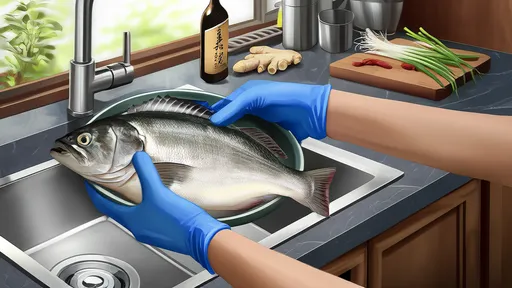
Practical application of this technique requires some finesse. After catching or purchasing a live fish, keep it in clean water until ready to prepare. Just before cleaning, hold the fish firmly and use a small funnel or spoon to pour about 10-15ml of strong liquor directly into each gill cavity. Let it sit for 2-3 minutes as the alcohol works its way through the gill filaments. Then proceed with scaling and gutting as usual. Many practitioners claim this additional step makes a noticeable difference, especially with stronger-flavored fish like carp or catfish.
Beyond odor reduction, this method offers several culinary advantages. The alcohol doesn't just mask odors - it actually alters the fish's biochemistry. Enzymatic reactions in the fish's tissue change when exposed to alcohol, resulting in slightly firmer flesh and a cleaner taste. Some chefs even suggest it helps preserve the fish's natural sweetness by slowing oxidation. The small amount of alcohol evaporates completely during cooking, leaving no trace of liquor flavor behind.
Cultural context adds depth to this kitchen hack. In Chinese culinary tradition, balancing flavors and neutralizing strong odors has always been paramount. The use of alcohol in cooking dates back thousands of years, appearing in classic texts like the Qi Min Yao Shu, a sixth-century agricultural manual. This particular technique likely originated in riverine communities where fresh fish was abundant but preservation challenging. Today, it remains particularly popular in southern China's Guangdong and Fujian provinces, known for their delicate seafood preparations.
Modern science supports what tradition long suggested. Studies on fish odor compounds confirm that alcohol is particularly effective at dissolving thiols and amines - the primary culprits behind fishy smells. Research published in the Journal of Food Science demonstrated that ethanol solutions could reduce volatile amine concentrations by up to 60% in fish tissue. This explains why liquor proves more effective than plain water rinsing, which only removes surface contaminants without addressing odor compounds embedded in the gill structure.
For home cooks wanting to try this method, selection of the right alcohol matters. Traditional Chinese white spirits like Erguotou or Maotai work best due to their high alcohol content (typically 45-55%) and neutral flavor profile. In Western kitchens, unflavored vodka makes an acceptable substitute. Avoid using wines or flavored liquors as their additional compounds might impart unwanted flavors. The key is using just enough alcohol to rinse the gills thoroughly without wasting - about a tablespoon per side for an average-sized fish.
This technique fits beautifully into broader trends toward natural food preparation. Unlike chemical additives or heavy processing, the liquor rinse offers a simple, organic solution to a common kitchen challenge. It aligns with growing consumer preference for traditional methods that have stood the test of time. As more people rediscover these ancestral cooking hacks, they're finding that sometimes the old ways are indeed the best ways.
Professional kitchens have quietly adopted this practice as well. In high-end seafood restaurants across Asia, chefs use variations of this method to ensure consistently clean-tasting fish. Some have even developed refinements, like adding a pinch of salt to the alcohol or using specific temperature controls to optimize the effect. What began as a fisherman's trick has evolved into a sophisticated culinary technique.
The implications extend beyond just cooking. This example demonstrates how traditional food knowledge often contains hidden scientific wisdom. Before modern chemistry could explain why it worked, generations of cooks understood empirically that alcohol-treated fish tasted better. Such examples remind us that culinary traditions shouldn't be dismissed as mere superstition - they frequently represent accumulated practical knowledge waiting to be understood at a deeper level.
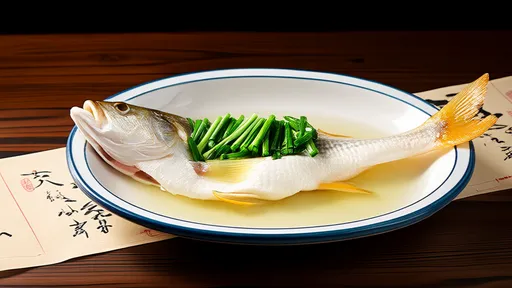
For adventurous home cooks, this technique opens doors to better seafood experiences. It's particularly valuable when working with extremely fresh fish where preserving delicate flavors is paramount. The method works equally well whether you're steaming, frying, or making soup. As with any culinary technique, practice brings perfection - the more you use it, the better you'll become at judging the right amount of alcohol and timing for different fish varieties.
Next time you prepare fresh fish, consider reaching for the liquor bottle instead of just the lemon wedge. This small extra step might transform your perception of home-cooked seafood. After all, great cooking often lies in these subtle touches - the barely noticeable techniques that elevate good food to something truly memorable.

By /Aug 11, 2025
By /Aug 11, 2025
By /Aug 11, 2025

By /Aug 11, 2025
By /Aug 11, 2025

By /Aug 11, 2025
By /Aug 11, 2025
By /Aug 11, 2025
By /Aug 11, 2025

By /Aug 11, 2025
By /Aug 11, 2025
By /Aug 11, 2025
By /Aug 11, 2025

By /Aug 11, 2025
By /Aug 11, 2025
By /Aug 11, 2025

By /Aug 11, 2025

By /Aug 11, 2025
By /Aug 11, 2025
By /Aug 11, 2025
