Fun Plate Arrangement: Rice Bear Facial Feature Positioning Method

Aug 11, 2025 By

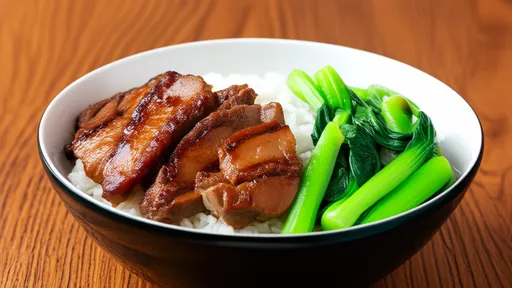
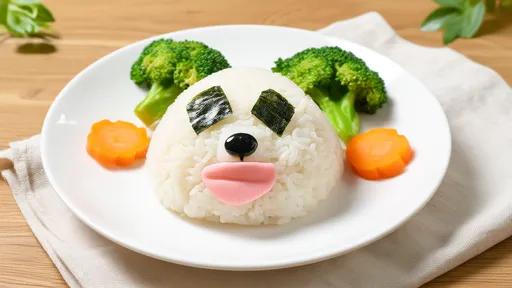
The art of food presentation has taken a delightful turn with the rise of creative plating techniques, and one of the most charming trends to emerge is the Rice Bear Facial Feature Placement Method. This whimsical approach transforms ordinary rice dishes into adorable edible bears, capturing the hearts of both children and adults alike. What began as a playful kitchen experiment has evolved into a social media sensation, with food enthusiasts across the globe sharing their rice bear creations.

At its core, the technique revolves around strategically positioning ingredients to form a bear's face using rice as the base. The simplicity of the concept belies the creativity it inspires – a handful of nori strips become expressive eyebrows, two circular slices of carrot transform into rosy cheeks, and a single cherry tomato or olive slice serves as the perfect button nose. The magic lies in how these ordinary ingredients suddenly take on personality when arranged with intention.

The rice bear phenomenon speaks to our innate attraction to anthropomorphism in food. There's something fundamentally joyful about seeing human-like features in our meals that makes the eating experience more engaging. Nutritionists have observed that this method particularly resonates with children, often encouraging them to eat foods they might otherwise reject. The psychological impact of playful plating shouldn't be underestimated – it turns mealtime into an interactive experience rather than just routine nourishment.

Mastering the rice bear technique requires understanding some fundamental facial proportions. The eyes typically sit at the vertical midpoint of the rice portion, with about one eye-width of space between them. Ears placed too high make the bear appear startled, while ears set too low give a droopy impression. Many practitioners recommend using a small bowl or circular mold to create the initial rice shape, as the rounded form naturally lends itself to a face-like appearance. The rice should be slightly compressed to maintain the shape but not so dense that it becomes unappetizing.

Seasoned practitioners of this art form emphasize the importance of ingredient selection. Sushi rice works exceptionally well due to its sticky consistency, though any short-grain rice can suffice. For the facial features, contrasting colors create the most visually striking effects – think black sesame seeds for eyes against white rice, or bright yellow corn kernels for ear accents. The choice between cooked and raw ingredients for features depends on the overall dish; cooked vegetables blend seamlessly with warm rice dishes, while crisp raw veggies add textural contrast.

Cultural variations of the rice bear have begun appearing as the trend spreads globally. In Korea, some versions incorporate kimchi eyebrows and gochujang-flushed cheeks. Japanese interpretations might feature delicate fish cake slices shaped like cherry blossoms for cheeks. Western adaptations sometimes use cheese slices or deli meats for facial features. This cross-cultural pollination demonstrates how a simple idea can adapt to local tastes while maintaining its core appeal.

Social media platforms have played a pivotal role in the rice bear's popularity. Instagram and TikTok feeds burst with #RiceBear creations ranging from beginner attempts to professional-level masterpieces. Some particularly dedicated accounts have developed entire rice bear families with varying expressions, or seasonal themes like Christmas-hat-wearing rice bears in December. The visual nature of this food trend makes it ideally suited for our image-driven digital culture.

Beyond its visual appeal, the rice bear method offers practical benefits in meal preparation. It encourages cooks to think about balanced nutrition, as creating a complete face naturally incorporates proteins (often used for ears or nose), vegetables (for eyes and mouth), and carbohydrates (the rice base). The portion control inherent in creating individual rice bears helps prevent overeating while making single servings feel special. For busy parents, the technique provides a way to make weekday meals feel like occasions without requiring extensive additional time.

Professional chefs have begun incorporating refined versions of the rice bear into their menus, particularly at establishments catering to families or specializing in casual dining. Some innovative restaurants use the concept as a canvas for culinary creativity, crafting "gourmet bears" with ingredients like truffle-infused rice, gold leaf accents, or edible flower decorations. This elevation of a simple idea into haute cuisine demonstrates the technique's versatility.

The therapeutic aspects of food arrangement shouldn't be overlooked when discussing the rice bear phenomenon. Many practitioners report that the mindful focus required to create these edible faces provides a meditative break from daily stresses. The act of carefully placing each feature becomes a small creative outlet, a way to express care for both the food and those who will eat it. In our fast-paced world, such simple acts of deliberate creation take on special significance.

As with any food trend, the rice bear method continues to evolve. Recent innovations include using different colored rice (like turmeric-yellow or beetroot-pink) for varied effects, or creating three-dimensional bears by molding rice into more sculptural forms. Some experimental cooks have begun incorporating the technique into other dishes – oatmeal bears for breakfast or quinoa bears for health-conscious variations. The basic principle of using food arrangement to create joyful, characterful meals seems destined to inspire new interpretations for years to come.

What began as a clever way to make children's lunches more appealing has grown into a global movement celebrating creativity in everyday cooking. The rice bear's enduring appeal lies in its perfect balance of simplicity and charm – accessible enough for anyone to try, yet offering endless possibilities for personal expression. In a world where we're often too busy to appreciate our meals, these edible characters invite us to pause, smile, and savor both the food and the moment.
Recommend Posts
Food

Fun Plate Arrangement: Rice Bear Facial Feature Positioning Method

By /Aug 11, 2025

The art of food presentation has taken a delightful turn with the rise of creative plating techniques, and one of the most charming trends to emerge is the Rice Bear Facial Feature Placement Method. This whimsical approach transforms ordinary rice dishes into adorable edible bears, capturing the hearts of both children and adults alike. What began as a playful kitchen experiment has evolved into a social media sensation, with food enthusiasts across the globe sharing their rice bear creations.
Food

Iron-enriched Recipe: Double the Absorption Rate with Pork Liver and Spinach Combo

By /Aug 11, 2025

For generations, home cooks and nutritionists have sought ways to maximize the body's ability to absorb iron from food. Among the most intriguing discoveries is the powerful synergy between pork liver and spinach when consumed together. This combination doesn't just provide iron—it creates a biochemical environment where absorption rates potentially double compared to eating these ingredients separately.
Food

Milk Boilover Terminator: Long-Handled Spoon Holder for Pot to Prevent Boiling Over

By /Aug 11, 2025

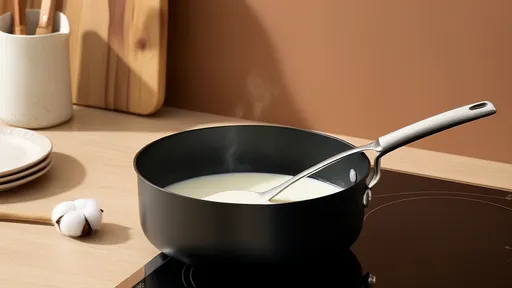
In kitchens around the world, one of the most common and frustrating occurrences is the boiling over of milk. Whether you're preparing a creamy latte, a delicate sauce, or simply heating milk for a recipe, the sudden eruption of frothy liquid can turn a peaceful cooking session into a messy cleanup operation. However, an age-old trick has resurfaced as a viral solution to this perennial problem: placing a long-handled spoon across the top of the pot. This simple yet effective method, often referred to as the "milk boil-over stopper," has garnered attention from home cooks and professional chefs alike.
Food

Yunnan Mushroom Hotpot: Must Boil 'See-Hand-Blue' for 20 Minutes to Ensure Safety

By /Aug 11, 2025

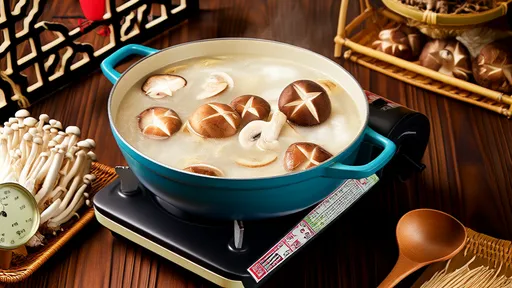
In the misty highlands of Yunnan, where culinary traditions intertwine with nature’s bounty, one dish stands out for both its exquisite flavor and notorious reputation: the wild mushroom hotpot. Among the myriad fungi that grace this fiery broth, none is as revered—or as feared—as the “jian shou qing” (见手青), a vibrant mushroom known to turn deadly if mishandled. Local wisdom dictates a non-negotiable rule: boil it for 20 minutes, or risk a dance with delirium—or worse.
Food

Clever Use of Frozen Vegetables: Mixed Packs Save 30% Time in Making Curry"

By /Aug 11, 2025

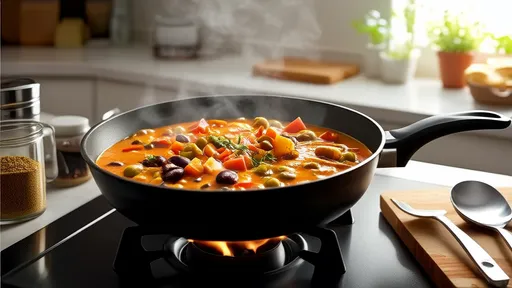
The humble frozen vegetable mix has long been the unsung hero of busy kitchens worldwide. While fresh produce will always have its place in culinary traditions, there's an undeniable convenience factor to keeping bags of frozen carrots, peas, and broccoli in your freezer. But what if we told you these frosty ingredients could become your secret weapon for whipping up complex-flavored dishes in record time? Enter the world of curry-making - where frozen vegetable medleys aren't just a time-saver, but actually enhance both the cooking process and final dish in unexpected ways.
Food

Pork Skin to Gold: Homemade Fried Pork Skin with Pickled Peppers Snack

By /Aug 11, 2025

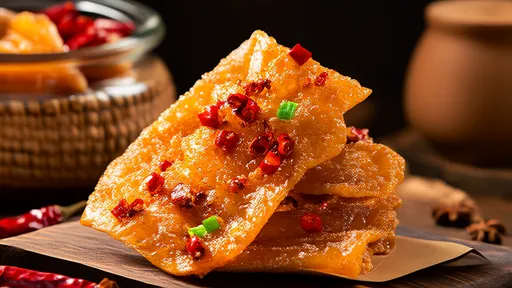
In the bustling night markets of Southeast Asia, one snack consistently draws crowds with its intoxicating aroma and addictive crunch - golden fried pork skins tossed with fiery pickled peppers. What was once considered a humble byproduct of butchery has been transformed into what locals call "edible gold," commanding premium prices as a gourmet snack. This unlikely culinary alchemy turns inexpensive pork skin into a textural masterpiece that's simultaneously crisp, puffy, and bursting with umami.
Food

Reviving Crispy Frozen Shrimp: Soak in Baking Soda Water for 5 Minutes

By /Aug 11, 2025

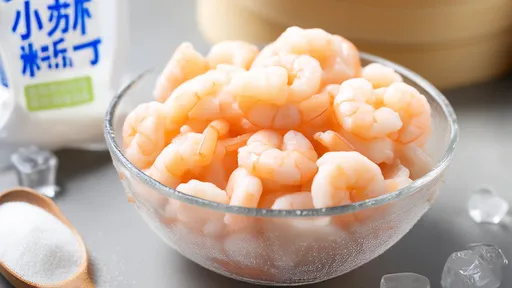
In the world of culinary arts, few things are as frustrating as preparing frozen shrimp only to end up with a rubbery, lackluster texture. Whether you're a home cook or a professional chef, achieving that perfect bite—crisp, succulent, and full of flavor—can feel like an elusive goal. However, a simple yet often overlooked technique has been making waves in kitchens: soaking frozen shrimp in a baking soda solution for five minutes before cooking. This method, rooted in both science and tradition, promises to restore the natural crispness of shrimp, transforming even the most freezer-burned specimens into restaurant-quality delights.
Food

Clever Tips for Handling Live Fish: Use Baijiu to Reduce Fishy Taste

By /Aug 11, 2025

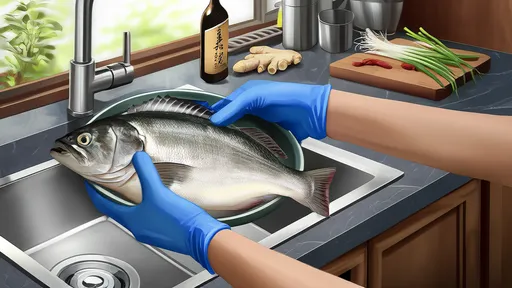
For generations, cooks and fishermen have sought ways to minimize the unpleasant fishy odor that often lingers after preparing fresh fish. While numerous techniques exist, one traditional Chinese method stands out for its simplicity and effectiveness: using liquor to rinse the gills. This age-old practice not only reduces the fishy smell but also enhances the overall flavor of the dish.
Food

Three Essential Tricks for Steaming Fish to Remove Fishy Odor: Scallion Sections at the Bottom + Ginger Slices on the Belly + Rice Wine Drizzled Over

By /Aug 11, 2025

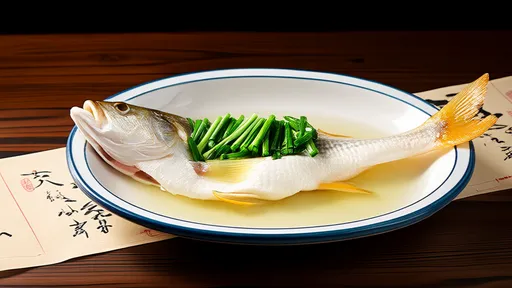
The art of steaming fish is a delicate balance between preserving the natural flavors of the seafood while eliminating any unpleasant fishy odors that might linger. Across many Asian culinary traditions, chefs have perfected what's often referred to as the "holy trinity" of fish preparation - a simple yet remarkably effective combination of scallions, ginger, and rice wine that transforms even the fishiest specimens into clean, fragrant dishes worthy of any dining table.
Food

The Physics Behind the Fluffy Scrambled Eggs Technique: Adding Half a Spoon of Water to Egg Liquid

By /Aug 11, 2025

The quest for the perfect fluffy scrambled eggs has led home cooks and professional chefs alike to experiment with various techniques. Among these, the "water method" – adding half a spoon of water to beaten eggs before cooking – has gained surprising traction. While it may seem counterintuitive to dilute eggs with water when seeking richness, the physics behind this technique reveals why it creates an exceptionally airy texture.
Food

Dumpling Shaping: A Guide to the Folding Pressure of Crescent Pleats

By /Aug 11, 2025

The art of crafting the perfect dumpling lies in the delicate balance between structural integrity and aesthetic appeal. Among the various folding techniques employed across culinary traditions, the crescent moon pleat stands as both a hallmark of craftsmanship and a technical challenge for dumpling makers worldwide. This particular fold, characterized by its graceful curvature and symmetrical tucks, requires precise hand tension that varies significantly along the arc of the dumpling's edge.
Food

The Culture of Chopsticks: Square Head and Round Tail Symbolizing Heaven and Earth

By /Aug 11, 2025

The humble chopstick, an eating utensil used by billions across East Asia, carries far deeper cultural symbolism than its simple form suggests. Among the most profound meanings lies in the traditional design of square heads and round tails - a subtle representation of ancient Chinese cosmology that has endured for millennia.
Food

Blender Bottom Burn: Liquid First, Then Solid Ingredients"

By /Aug 11, 2025

In the bustling world of modern kitchens, high-speed blenders have become indispensable tools for health-conscious individuals and culinary enthusiasts alike. Among the myriad of appliances, wall-breaking blenders stand out for their ability to pulverize ingredients to a molecular level, unlocking nutrients often trapped in cell walls. However, even these powerful machines are not immune to a common frustration: scorched bases caused by improper loading techniques.
Food

Preheating Oven: Empty Baking for Over 10 Minutes Can Damage Heating Elements

By /Aug 11, 2025

When it comes to baking, preheating the oven is a step many home cooks consider non-negotiable. However, what often goes unnoticed is the potential harm caused by excessively long preheating sessions. Leaving an empty oven on for more than 10 minutes during preheating can damage the heating elements, reducing their efficiency and lifespan. This issue is more common than one might think, especially among those who rely on older oven models or frequently multitask in the kitchen.
Food

Electric Rice Cooker Baked Chicken: Ginger and Scallion as a Base to Prevent Sticking"

By /Aug 11, 2025

There’s something undeniably comforting about a perfectly cooked chicken dish, especially when it’s prepared with minimal fuss and maximum flavor. One such method that has gained popularity in home kitchens is the electric rice cooker chicken, a technique that yields tender, juicy meat with little effort. At the heart of this method lies a simple yet brilliant trick: using ginger and scallions as a base to prevent sticking and infuse the chicken with aromatic depth.
Food

Sprouting Food: Sweet Potatoes Can Still Be Eaten After Removing Sprouts

By /Aug 11, 2025

In the world of root vegetables, sweet potatoes hold a special place for their versatility, nutritional benefits, and long shelf life. However, like many tubers, they are prone to sprouting under certain conditions. A common question among home cooks and health-conscious individuals is whether sprouted sweet potatoes are still safe to eat. The answer, backed by both tradition and science, is a reassuring yes—with some important considerations.
Food

Refrigerator Organization: Store Cooked Foods on Top to Prevent Leakage and Contamination

By /Aug 11, 2025

Keeping a well-organized refrigerator is about more than just aesthetics – it’s a critical food safety practice that many households overlook. Among the most important rules of fridge organization is the strategic placement of cooked foods, which should always occupy the upper shelves rather than being relegated to lower compartments. This simple but often ignored principle can mean the difference between safe food consumption and dangerous cross-contamination.
Food

Plastic Box Selection: Microwave-Safe with Triangle Logo 5

By /Aug 11, 2025

In the bustling world of modern convenience, the humble plastic container has become an indispensable part of our daily lives. Among the myriad of options available, one particular type stands out for its versatility and safety: the polypropylene container marked with the triangular recycling symbol number 5. This unassuming yet powerful piece of kitchenware has revolutionized the way we store, reheat, and transport our food, all while navigating the complex landscape of environmental concerns and health safety.
Food

Flavor Remedy: Add Honey to Balance Excessive Sourness

By /Aug 11, 2025

In the delicate dance of flavors that is cooking, acidity plays a crucial yet often temperamental role. That bright pop of lemon juice or the sharp tang of vinegar can elevate a dish from flat to fantastic—until suddenly, it crosses the invisible line into mouth-puckering territory. When this happens, many home cooks panic, but seasoned chefs know the secret lies in balance rather than starting over. Among the most effective and nuanced ways to counteract excessive acidity is the use of honey, nature's golden elixir that does far more than simply sweeten.
Food

Overnight Rice: Refrigeration for 24 Hours Increases Resistant Starch by 50%

By /Aug 11, 2025

For home cooks and meal preppers, that container of leftover rice in the fridge might hold more nutritional potential than previously thought. Emerging research suggests refrigerating cooked rice for 24 hours could significantly boost its resistant starch content – a type of carbohydrate that behaves more like fiber in our digestive system.