In the world of root vegetables, sweet potatoes hold a special place for their versatility, nutritional benefits, and long shelf life. However, like many tubers, they are prone to sprouting under certain conditions. A common question among home cooks and health-conscious individuals is whether sprouted sweet potatoes are still safe to eat. The answer, backed by both tradition and science, is a reassuring yes—with some important considerations.
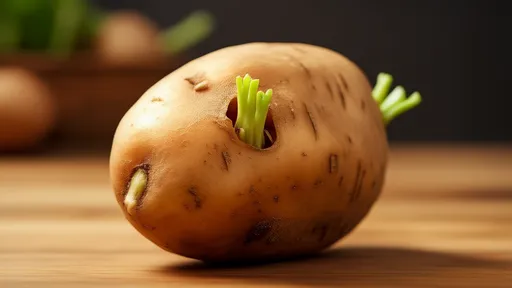
The sight of sprouts emerging from a forgotten sweet potato in the pantry might trigger concerns about toxicity or spoilage. Unlike regular potatoes, which produce harmful solanine when they sprout, sweet potatoes belong to a different botanical family (Convolvulaceae rather than Solanaceae) and do not contain this toxic compound. While the sprouts themselves may taste bitter and are often removed, the underlying tuber remains largely unaffected in terms of safety.
Why Do Sweet Potatoes Sprout? Sprouting is a natural response to warmth and humidity, signaling that the tuber is attempting to grow into a new plant. Farmers and gardeners sometimes encourage this process deliberately when using sweet potato slips for propagation. In kitchen storage, however, sprouting can lead to textural changes as the tuber redirects moisture and nutrients toward the developing shoots. The flesh may become slightly woody or less sweet over time, but it doesn’t pose health risks if consumed after trimming.
Nutritional Impact of Sprouting Research suggests that sprouted sweet potatoes undergo subtle nutritional shifts. Some studies indicate an increase in certain antioxidants, such as polyphenols, as the plant mobilizes defenses to support new growth. Conversely, prolonged sprouting may lead to a gradual decline in starch content, which can affect cooking properties. For most home uses—whether roasting, mashing, or blending into soups—the differences are negligible once the sprouts and any softened flesh around them are removed.
Cultural practices around the world further validate the edibility of sprouted sweet potatoes. In many Asian countries, lightly sprouted tubers are routinely used in both savory and sweet dishes without issue. Japanese cuisine, for instance, incorporates aged sweet potatoes (satsuma-imo) for their concentrated flavor in desserts like daigaku imo (candied sweet potatoes). This tradition aligns with modern food safety guidance, which emphasizes proper inspection and preparation over discarding slightly sprouted tubers unnecessarily.
When to Exercise Caution While sprouts alone don’t render sweet potatoes hazardous, accompanying signs of spoilage should not be ignored. A foul odor, oozing liquid, or extensive mold growth indicates bacterial or fungal contamination, warranting disposal. Additionally, tubers that have shriveled excessively or developed large sunken areas may have deteriorated beyond culinary use. Proper storage—in a cool, dry, well-ventilated space away from onions or other ethylene-producing vegetables—can significantly delay sprouting and preserve quality.
The resilience of sweet potatoes extends to their sprouted state, offering a practical example of how understanding plant biology can reduce food waste. By distinguishing between harmless natural processes and genuine spoilage, consumers can make informed decisions rather than relying on overly cautious assumptions. Next time you encounter a sweet potato with modest sprouts, simply twist them off, peel away any tough skin, and enjoy the remaining flesh—knowing you’re partaking in a practice rooted in both science and tradition.

By /Aug 11, 2025
By /Aug 11, 2025

By /Aug 11, 2025
By /Aug 11, 2025

By /Aug 11, 2025
By /Aug 11, 2025
By /Aug 11, 2025
By /Aug 11, 2025
By /Aug 11, 2025
By /Aug 11, 2025
By /Aug 11, 2025
By /Aug 11, 2025

By /Aug 11, 2025

By /Aug 11, 2025
By /Aug 11, 2025
By /Aug 11, 2025

By /Aug 11, 2025

By /Aug 11, 2025

By /Aug 11, 2025
By /Aug 11, 2025
