For generations, home cooks and nutritionists have sought ways to maximize the body's ability to absorb iron from food. Among the most intriguing discoveries is the powerful synergy between pork liver and spinach when consumed together. This combination doesn't just provide iron—it creates a biochemical environment where absorption rates potentially double compared to eating these ingredients separately.
The science behind this phenomenon reveals why traditional food pairings often hold hidden wisdom. Pork liver contains heme iron, the most bioavailable form that the human body can absorb with relative ease. Spinach, while rich in non-heme iron (the plant-based form that's harder to absorb), also contains substantial amounts of vitamin C and folate. When these two ingredients share a plate, the vitamin C from spinach acts as an absorption booster for both types of iron, while the heme iron from liver appears to "prime" the digestive system to better process the non-heme iron from the greens.
Cultural traditions around the world have intuitively combined iron-rich animal and plant foods long before modern nutrition science explained why. In German cuisine, liver is often served with apple (another vitamin C source); in Moroccan cooking, meat stews incorporate dried apricots. The Chinese practice of stir-frying pork liver with spinach represents another brilliant example of this nutritional wisdom. What grandmothers served based on tradition now earns validation from laboratory studies showing markedly improved iron status in those who consume such combinations.
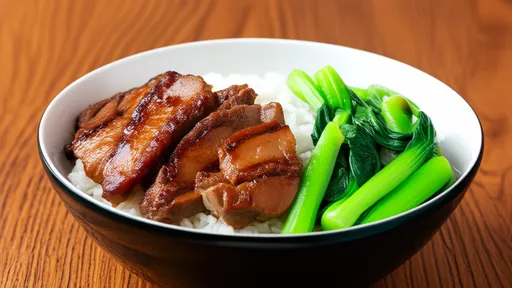
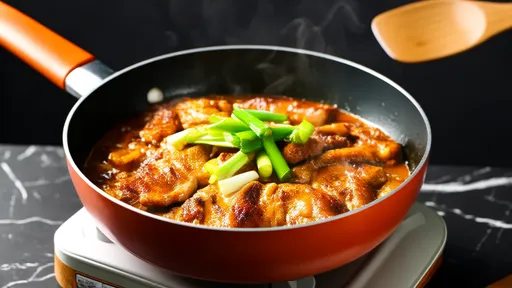
The preparation method further enhances this iron-boosting effect. Lightly cooking spinach—as occurs in a quick stir-fry—breaks down oxalates that can inhibit iron absorption while preserving the precious vitamin C content. Meanwhile, the liver should be cooked just until safe to eat but not overcooked, as prolonged high heat can degrade some of its nutrient content. A simple dish of sliced pork liver quickly stir-fried with spinach, garlic, and a splash of vinegar (which also aids iron absorption) creates what nutritionists call "the perfect storm" of bioavailable iron.
This has particular significance for populations at risk of iron deficiency—pregnant women, growing children, and those following plant-heavy diets. While spinach alone provides iron, studies show the body may absorb as little as 2% of it due to inhibitory compounds. Pairing it with liver transforms spinach into a far more potent iron source. Nutritionists report patients showing faster recovery from iron-deficiency anemia when adopting such food combinations compared to iron supplements alone, likely because the whole-food approach provides a complex of synergistic nutrients.
The implications extend beyond individual health to public nutrition strategies. In regions where iron deficiency remains prevalent, promoting these traditional food pairings could prove more sustainable and culturally appropriate than relying on fortified foods or supplements. School lunch programs incorporating liver-spinach dishes report measurable improvements in children's iron status within months. Some hospitals have begun introducing these combinations into therapeutic diets for postoperative recovery.
Modern cuisine continues to rediscover and reinvent this powerful pairing. Contemporary chefs create innovative dishes like pork liver pâté with spinach puree, or deconstructed versions where crispy liver chips accompany a spinach salad dressed with citrus vinaigrette. The basic principle remains—bringing together these two iron sources with vitamin C creates a nutritional impact greater than the sum of its parts. As research continues to uncover the complexities of nutrient absorption, such time-tested food synergies offer simple, delicious solutions to common deficiencies.

By /Aug 11, 2025
By /Aug 11, 2025

By /Aug 11, 2025
By /Aug 11, 2025
By /Aug 11, 2025
By /Aug 11, 2025
By /Aug 11, 2025
By /Aug 11, 2025
By /Aug 11, 2025
By /Aug 11, 2025
By /Aug 11, 2025
By /Aug 11, 2025
By /Aug 11, 2025

By /Aug 11, 2025
By /Aug 11, 2025
By /Aug 11, 2025
By /Aug 11, 2025
By /Aug 11, 2025
By /Aug 11, 2025
By /Aug 11, 2025
