The modern workplace has become a breeding ground for sedentary behavior. With most professionals spending eight or more hours glued to their chairs, the health consequences are impossible to ignore. Back pain, stiff joints, poor circulation, and even long-term cardiovascular risks have become occupational hazards for desk-bound workers. But what if we told you there's a way to combat these issues without leaving your workstation?
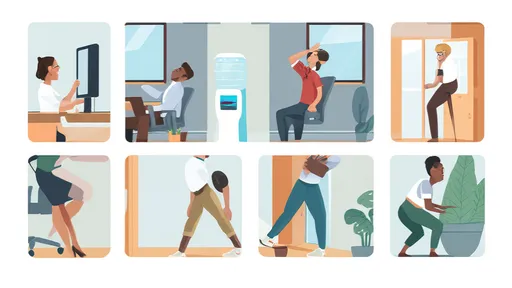
The concept of micro-movements is revolutionizing office wellness. These subtle, almost imperceptible physical adjustments can significantly impact your wellbeing when performed consistently throughout the workday. Unlike traditional exercise routines that require time, space, and equipment, micro-movements seamlessly integrate into your existing workflow.
Neck glides offer immediate relief for those suffering from tech neck. Slowly lower your chin toward your chest, then gently tilt your head back, feeling the stretch along your cervical spine. The key lies in performing these movements with deliberate slowness, allowing each vertebra to articulate fully. Many users report decreased tension headaches and improved posture after just a few days of consistent practice.
Your lower body suffers tremendously from prolonged sitting. Seated leg extensions provide an elegant solution. While maintaining proper posture, extend one leg straight out parallel to the floor, hold for five seconds, then lower it slowly. Alternate between legs every hour. This simple movement engages your quadriceps, improves circulation, and prevents that all-too-common afternoon leg stiffness.
Shoulder rolls might seem elementary, but when performed correctly, they work wonders for upper body tension. Imagine drawing large, slow circles with your shoulders, first rotating forward, then backward. The movement should originate from your scapula rather than just your arms. Office workers who incorporate this throughout their day often find they no longer need those midday pain relievers for shoulder discomfort.
The human body craves rotational movement, something severely lacking in traditional office setups. Seated torso twists address this deficiency beautifully. With feet flat on the floor and spine elongated, gently rotate your upper body to one side, using your chair's armrest for support. Hold for fifteen seconds, then switch sides. This movement maintains spinal mobility and can prevent those sharp lower back pains that often accompany long hours at the desk.
Perhaps the most underestimated micro-movement involves your feet. Ankle circles performed under your desk can significantly improve lower extremity circulation. Lift one foot slightly off the ground and rotate your ankle clockwise, then counterclockwise. This simple action helps prevent swelling in the feet and ankles, a common complaint among those who sit for extended periods.
The science behind these micro-movements reveals why they're so effective. Brief muscular contractions throughout the day stimulate lymphatic drainage, enhance blood flow to the brain, and prevent the metabolic slowdown associated with prolonged sitting. Unlike intense workouts that require recovery time, these gentle movements provide continuous benefits without fatigue.
Implementation strategy matters more than duration. Setting reminders every thirty minutes ensures consistency until these movements become second nature. Many successful adopters tie them to specific work triggers—performing ankle circles during phone calls or shoulder rolls while waiting for documents to print. This habit-stacking approach leads to sustainable change.
Corporate wellness programs are increasingly recognizing the value of micro-movements. Forward-thinking companies now incorporate brief movement prompts into employee training, recognizing that healthier employees mean reduced healthcare costs and improved productivity. Some organizations have even redesigned workspaces to encourage more natural movement throughout the day.
Skeptics often dismiss these small movements as insignificant, but the cumulative effect tells a different story. Office workers who consistently practice micro-movements report higher energy levels, better focus, and fewer aches and pains compared to their sedentary counterparts. The beauty lies in their accessibility—regardless of fitness level, age, or workload, anyone can benefit.
As work cultures evolve, the integration of movement into the workday represents the future of office wellness. These micro-movements aren't just exercises; they're a paradigm shift in how we approach workplace health. By honoring our body's need for frequent movement, we create sustainable habits that support both professional performance and personal wellbeing.
By /Aug 19, 2025
By /Aug 19, 2025
By /Aug 19, 2025

By /Aug 19, 2025

By /Aug 19, 2025

By /Aug 19, 2025
By /Aug 19, 2025

By /Aug 19, 2025

By /Aug 19, 2025

By /Aug 19, 2025

By /Aug 19, 2025

By /Aug 19, 2025
By /Aug 19, 2025

By /Aug 19, 2025
By /Aug 19, 2025
By /Aug 19, 2025
By /Aug 19, 2025

By /Aug 19, 2025

By /Aug 19, 2025

By /Aug 19, 2025
