Honey has long been cherished as a natural sweetener with numerous health benefits, but not all honey on the shelves is as pure as it claims to be. The rise of counterfeit honey has made it increasingly difficult for consumers to distinguish between the real deal and clever imitations. Understanding how to spot fake honey is essential for anyone looking to reap its true nutritional and medicinal advantages.
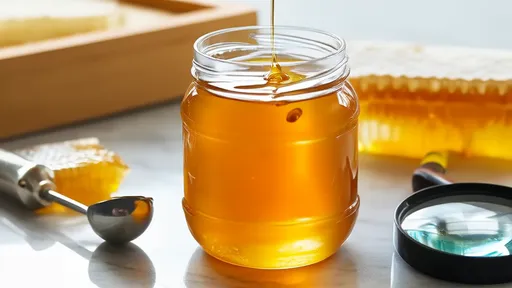
The viscosity test is one of the simplest ways to check honey's authenticity. Pure honey tends to be thick and flows slowly, forming a steady stream when poured. If the honey is too runny or drips quickly like water, it may have been diluted with syrup or other additives. Another trick involves placing a drop of honey on your thumb—if it spreads easily, it’s likely adulterated. Genuine honey will hold its shape and not spill immediately.
Another reliable method is the water test. When a spoonful of honey is added to a glass of water, pure honey will settle at the bottom without dissolving right away. Fake honey, on the other hand, often mixes into the water or disperses rapidly due to added sugars or artificial thickeners. Some counterfeit products even leave a cloudy trail as they dissolve, a clear sign of tampering.
One of the most telling indicators of fake honey is its reaction to heat. Real honey caramelizes when exposed to flame, while adulterated versions may bubble, produce a plastic-like smell, or refuse to burn altogether. This happens because authentic honey contains natural sugars that respond differently to heat compared to artificial sweeteners. A simple matchstick test—dipping a match in honey and attempting to light it—can reveal whether the product is genuine or not.
Beyond these tests, examining the label can also provide clues. Many commercial honey brands use vague terms like "honey blend" or "honey-flavored syrup," which often indicate the presence of additives. True honey should have only one ingredient listed: honey. Additionally, checking for certifications from reputable beekeeping associations can help verify quality and purity.
Price can sometimes be a giveaway as well. Authentic honey, especially rare varieties like Manuka or raw organic honey, tends to be more expensive due to the labor-intensive extraction process. If a product is priced suspiciously low, it’s worth questioning its legitimacy. Beekeepers and local farmers' markets are often more trustworthy sources than mass-produced supermarket brands.
Another overlooked factor is crystallization. While many assume that crystallized honey is spoiled or fake, the opposite is true. Pure honey naturally crystallizes over time due to glucose content, whereas fake honey remains unnaturally smooth and liquid. Gently warming crystallized honey can restore its texture without compromising its quality.
Smell and taste also play a crucial role in identification. Real honey has a distinct floral aroma that varies depending on the nectar source. Artificial versions often lack depth in flavor or carry an overly sweet, synthetic aftertaste. If the honey tastes more like plain sugar syrup, chances are it’s not the real thing.
For those who prefer a more scientific approach, lab testing can detect common adulterants like high fructose corn syrup or maltodextrin. While not practical for everyday shopping, it’s an option for bulk buyers or those who suspect they’ve been consistently misled by commercial brands.
Ultimately, being an informed consumer is the best defense against counterfeit honey. By paying attention to texture, behavior under simple tests, labeling, and sourcing, shoppers can make better choices and enjoy the full benefits of pure, unadulterated honey.
By /Aug 19, 2025
By /Aug 19, 2025
By /Aug 19, 2025

By /Aug 19, 2025
By /Aug 19, 2025
By /Aug 19, 2025
By /Aug 19, 2025
By /Aug 19, 2025
By /Aug 19, 2025

By /Aug 19, 2025

By /Aug 19, 2025

By /Aug 19, 2025
By /Aug 19, 2025

By /Aug 19, 2025

By /Aug 19, 2025

By /Aug 19, 2025
By /Aug 19, 2025

By /Aug 19, 2025

By /Aug 19, 2025
By /Aug 19, 2025
