As the temperature drops and winter sets in, many people find themselves struggling with persistently cold hands and feet. This common issue isn't just about discomfort—it often signals poor circulation that leaves our extremities feeling like blocks of ice no matter how many layers we wear. While some might dismiss it as a minor seasonal annoyance, chronically cold extremities can significantly impact quality of life during winter months.
The human body has an intelligent heat distribution system that prioritizes keeping our core organs warm when temperatures plunge. Blood vessels in our hands and feet constrict to reduce heat loss, which explains why these areas feel coldest. However, when this natural response becomes extreme or prolonged, it may indicate underlying circulation issues that deserve attention rather than just temporary fixes like hand warmers or extra socks.
Understanding the root causes of winter-induced cold extremities helps us address the problem effectively. Factors like sedentary lifestyles, poor nutrition, dehydration, and even stress can compound the body's natural cold-weather responses. Some individuals—particularly women and older adults—may be more susceptible due to differences in muscle mass, hormone levels, or existing health conditions that affect vascular function.
Hydration plays a surprisingly crucial role in maintaining good circulation during winter months. Many people unconsciously drink less water when it's cold outside, not realizing that dehydration makes blood thicker and more sluggish. Warm herbal teas and broth-based soups can provide comforting hydration while helping maintain optimal blood viscosity for better circulation to extremities.
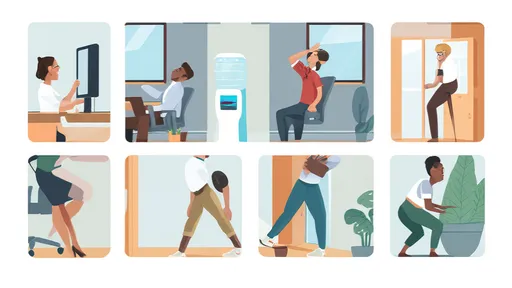
Regular movement breaks throughout the day serve as one of the most effective ways to combat cold hands and feet. Sitting for prolonged periods allows blood to pool rather than circulate properly. Simple actions like ankle rotations, wrist stretches, or brief walks around your home or office can significantly improve blood flow without requiring special equipment or workout clothes.
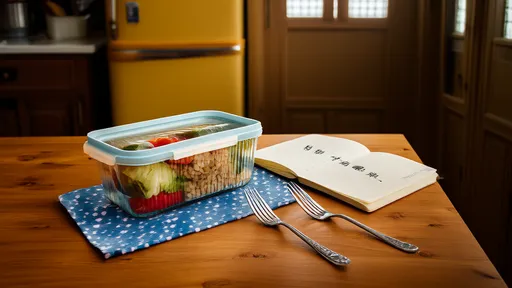
The food we eat during winter months significantly impacts our circulation. Many traditional winter comfort foods—while delicious—can actually worsen circulation problems due to high sodium and saturated fat content. Incorporating warming spices like ginger, cinnamon, and cayenne pepper into meals provides natural vasodilation benefits while adding flavor without excessive salt or unhealthy fats.
Lay-to-day choices about clothing can make a substantial difference in managing cold extremities. The common instinct to bundle up in thick socks and gloves sometimes backfires by restricting movement and actually impairing circulation. Layering with breathable, moisture-wicking fabrics that allow for full range of motion often proves more effective than bulky outerwear alone.
Stress management techniques deserve special attention when addressing winter circulation issues. The body's stress response triggers vasoconstriction as part of the "fight or flight" mechanism, which exacerbates cold hands and feet. Practices like deep breathing, meditation, or even brief mindfulness exercises can help counteract this physiological response throughout the day.
While quick fixes like hand warmers or hot beverages provide temporary relief, establishing consistent daily habits creates lasting improvements in circulation. The body responds well to routines—regular sleep patterns, consistent meal times, and scheduled movement breaks all contribute to more stable thermoregulation and better peripheral blood flow.
Many people overlook their sleep environment when addressing cold extremities, but bedroom temperature and bedding choices significantly impact circulation. Overheating the bedroom can paradoxically worsen cold hands and feet by causing the body to divert blood flow for cooling rather than warming. Creating a slightly cool sleeping environment with warm but breathable bedding often yields better results.
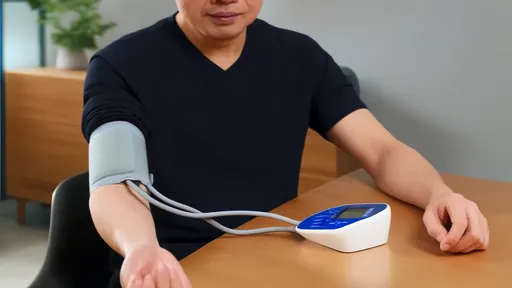
The connection between cardiovascular health and cold extremities shouldn't be ignored. While occasional cold hands and feet in winter are normal, persistent issues—especially when accompanied by color changes or numbness—may warrant medical evaluation. Simple circulation assessments like checking capillary refill time can provide useful insights into vascular health.
Modern lifestyles full of prolonged sitting and constant stress create perfect conditions for poor circulation regardless of season. Winter simply makes these underlying issues more apparent. Viewing cold hands and feet as warning signs rather than mere inconveniences allows us to address root causes rather than just symptoms.
Traditional remedies from various cultures offer valuable insights into managing winter circulation issues. Techniques like dry brushing, contrast hydrotherapy, or specific massage methods have stood the test of time for good reason. When adapted to modern lifestyles, these approaches can complement other circulation-boosting strategies effectively.
Footwear choices impact circulation more than most people realize. Tight boots or shoes with inflexible soles can restrict natural foot movement and impair the "muscle pump" action that helps return blood from extremities. Prioritizing comfort and proper fit in winter footwear makes a noticeable difference in keeping feet warm throughout the day.
The relationship between breathing patterns and circulation is often overlooked. Shallow chest breathing—common during stressful periods—reduces oxygenation and circulation efficiency. Practicing diaphragmatic breathing several times daily not only reduces stress but actively improves blood flow to all body parts, including cold extremities.
Creating a comprehensive approach to winter circulation issues yields better results than isolated solutions. Combining dietary adjustments, movement strategies, stress management, and environmental modifications addresses the problem from multiple angles for more reliable and lasting improvements in comfort during cold months.
Tracking symptoms and responses to different interventions helps identify what works best for each individual. Keeping simple notes about daily habits alongside hand and foot temperature changes reveals personalized patterns that generic advice might miss. This self-awareness leads to more effective long-term solutions.
While winter's chill presents challenges for circulation, it also offers opportunities to develop healthier habits that benefit overall wellbeing beyond just warmer hands and feet. The strategies that improve cold weather circulation—better hydration, regular movement, stress reduction—enhance vitality in every season, making the effort doubly worthwhile.
By /Aug 19, 2025
By /Aug 19, 2025
By /Aug 19, 2025

By /Aug 19, 2025

By /Aug 19, 2025

By /Aug 19, 2025

By /Aug 19, 2025

By /Aug 19, 2025

By /Aug 19, 2025
By /Aug 19, 2025
By /Aug 19, 2025

By /Aug 19, 2025
By /Aug 19, 2025

By /Aug 19, 2025
By /Aug 19, 2025
By /Aug 19, 2025
By /Aug 19, 2025

By /Aug 19, 2025

By /Aug 19, 2025
By /Aug 19, 2025