Is MSG Really Harmful? A Scientific Interpretation Comes!

Aug 19, 2025 By

For decades, monosodium glutamate (MSG), commonly known as flavor enhancer or "umami seasoning," has been at the center of a heated debate. Is it a harmless kitchen staple or a silent health threat? The controversy surrounding MSG has led to widespread confusion, with some restaurants proudly advertising "No MSG" on their menus while scientists continue to insist on its safety. Let's cut through the noise and examine what rigorous scientific research actually tells us about this widely used ingredient.


The Origins of MSG Fear

The fear of MSG can be traced back to 1968 when a physician wrote a letter to the New England Journal of Medicine describing what he called "Chinese Restaurant Syndrome." He reported experiencing numbness, weakness, and palpitations after eating Chinese food, which he attributed to MSG. This anecdotal account, despite lacking scientific evidence, sparked a wave of MSG phobia that persists to this day. The timing was particularly unfortunate—coming during a period of growing anti-Asian sentiment in America, which likely amplified the negative perception.


What's fascinating is how this single letter led to decades of research trying to either confirm or debunk these claims. Numerous studies have since been conducted, with the overwhelming majority failing to find any consistent evidence linking MSG to the symptoms described. Yet, the initial stigma proved remarkably persistent in public perception.


What Exactly Is MSG?

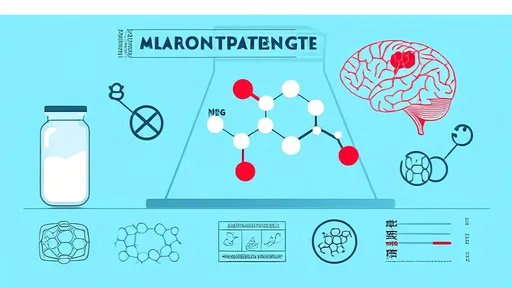
MSG is simply the sodium salt of glutamic acid, one of the most abundant naturally occurring amino acids. Glutamate is present in many foods we eat daily—tomatoes, cheese, mushrooms, and even human breast milk contain it. The glutamate in MSG is chemically identical to the glutamate found naturally in these foods. Our bodies don't distinguish between glutamate from different sources because, at the molecular level, they're exactly the same.


The manufacturing process of MSG has evolved over time. Originally extracted from seaweed in Japan, today it's primarily produced through fermentation of starch, sugar beets, sugar cane, or molasses—similar to how yogurt or vinegar is made. This natural production method might surprise those who imagine MSG as some artificial laboratory creation.


The Science Behind MSG Safety

Over the past fifty years, numerous reputable health organizations have thoroughly evaluated MSG. The U.S. Food and Drug Administration (FDA) classifies it as "generally recognized as safe" (GRAS), a designation given to substances that experts consider safe when used as intended. Similarly, the Joint FAO/WHO Expert Committee on Food Additives has placed MSG in the safest category for food additives.


Double-blind, placebo-controlled studies—the gold standard in scientific research—have consistently failed to confirm the existence of "Chinese Restaurant Syndrome." In these rigorous tests, participants who believed they were sensitive to MSG reacted equally to placebos and actual MSG, suggesting psychological rather than physiological factors at play. The few studies that did report negative effects typically used unrealistically high doses, far beyond what people would normally consume in food.


Why Do Some People React to MSG?

This brings us to an important question: if MSG is so safe, why do some individuals report adverse reactions? The answer likely lies in what scientists call the "nocebo effect"—the opposite of the placebo effect, where negative expectations lead to perceived negative outcomes. When people believe MSG will make them feel unwell, they're more likely to attribute any discomfort to it, even when MSG isn't actually present.


Additionally, symptoms often blamed on MSG—headaches, flushing, or sweating—can result from other factors in meals that happen to contain MSG. High sodium content, specific spices, alcohol consumption, or simply eating larger portions than usual could all contribute to these sensations. In Asian cuisine particularly, where MSG is commonly used, these other factors are often present as well, leading to mistaken attribution.


MSG in Our Daily Diet

An interesting fact often overlooked in the MSG debate is how much glutamate we consume from natural sources versus added MSG. The average adult consumes about 13 grams of glutamate daily from natural proteins in food, compared to only about 0.55 grams from added MSG. Our bodies metabolize all this glutamate in exactly the same way. The gut doesn't differentiate between glutamate from a Parmesan cheese garnish and that from a pinch of MSG.


For those concerned about processed foods, it's worth noting that MSG allows for reduced sodium content while maintaining flavor. Since MSG contains only one-third the sodium of table salt, using it as a partial salt replacement could potentially benefit those watching their sodium intake—an important consideration given modern concerns about hypertension and cardiovascular health.


The Cultural Dimension of MSG Controversy

The persistence of MSG fears reveals interesting cultural dynamics. In Western countries, particularly America, MSG continues to carry stigma, while in many Asian countries it's used liberally without concern. Japan, where MSG was first isolated and commercialized, has one of the world's highest life expectancies despite widespread MSG use. This cultural divide suggests that factors beyond science—historical context, media portrayal, and perhaps even racial biases—have played significant roles in shaping attitudes toward this ingredient.


Modern chefs and food scientists have begun pushing back against MSG stigma, arguing that it's an invaluable tool for creating delicious, well-balanced flavors. Some prominent culinary figures have started openly advocating for its use, comparing MSG avoidance to outdated fears of microwave ovens or vaccination. As food culture becomes more globalized and science-literate, we may be witnessing the beginning of an MSG rehabilitation in Western cuisine.


Conclusion: Separating Fact from Fiction

After examining the extensive scientific literature, a clear picture emerges: MSG is safe for the vast majority of people when consumed in normal culinary amounts. The fears surrounding it appear rooted more in anecdote and psychology than in solid evidence. While individuals who believe they're sensitive to MSG should certainly avoid it, they represent a small minority rather than proof of inherent danger.


Like many food controversies, the MSG debate ultimately teaches us about how complex our relationship with what we eat can be—shaped as much by culture and psychology as by biochemistry. As consumers, our best approach is to stay informed by credible science rather than urban legends, allowing us to make dietary choices based on facts rather than fear.


Recommend Posts
Health

Where does a suppressed sneeze go? Is it harmful to the body?

By /Aug 19, 2025

Have you ever felt a sneeze coming on, only to stifle it at the last moment? Maybe you were in a quiet meeting, a crowded elevator, or simply didn’t want to draw attention to yourself. But have you ever wondered where that suppressed sneeze goes? More importantly, could holding back a sneeze actually harm your body? The answers might surprise you.
Health

Suddenly Seeing Darkness? It Might Be Orthostatic Hypotension at Play!

By /Aug 19, 2025

You stand up quickly from your chair and suddenly the world goes dark. Your vision tunnels, your head swims, and for a few terrifying seconds you feel like you might faint. This unsettling experience is more common than you might think, and it often points to a condition called orthostatic hypotension.
Health

That Persistent Itch in Your Ear: When Nothing Comes Out, It Might Be a Fungal Infection

By /Aug 19, 2025

We’ve all experienced that maddening itch deep inside the ear—the kind that makes you grab a cotton swab, hoping for relief. But what happens when you dig around and find nothing? No wax, no debris, just an unrelenting tickle that won’t quit. For many people, this frustrating scenario points to an often-overlooked culprit: a fungal infection.
Health

Should You Rinse Your Mouth Before Brushing Your Teeth? Dentists Say Many People Are Doing It Wrong!

By /Aug 19, 2025

For decades, the simple act of brushing our teeth has been a non-negotiable part of our daily hygiene routine. Yet, how many of us have paused to consider whether we’re doing it correctly? One question that often sparks debate is whether we should rinse our mouths with water before brushing. Surprisingly, this seemingly minor step can have significant implications for oral health, and according to dentists, many people are getting it wrong.
Health

How to Reheat Leftovers Safely?

By /Aug 19, 2025

Leftovers are a common part of our daily lives, whether from last night's dinner or a weekend feast. While reheating food seems straightforward, doing it safely requires attention to detail. Improper reheating can lead to foodborne illnesses or diminish the quality of your meal. Understanding the best practices ensures that your food remains both delicious and safe to eat.
Health

Spicy Food Hurts the Stomach? Actually, It Has More Benefits Than You Think!"

By /Aug 19, 2025

For decades, the idea that spicy food harms the stomach has been widely accepted. Many people avoid chili peppers, hot sauces, and fiery dishes out of fear that they might damage their digestive system or cause ulcers. But what if this common belief is more myth than fact? Recent research suggests that spicy food, when consumed in moderation, may actually offer surprising benefits for gut health and overall well-being.
Health

Is MSG Really Harmful? A Scientific Interpretation Comes!

By /Aug 19, 2025

For decades, monosodium glutamate (MSG), commonly known as flavor enhancer or "umami seasoning," has been at the center of a heated debate. Is it a harmless kitchen staple or a silent health threat? The controversy surrounding MSG has led to widespread confusion, with some restaurants proudly advertising "No MSG" on their menus while scientists continue to insist on its safety. Let's cut through the noise and examine what rigorous scientific research actually tells us about this widely used ingredient.
Health

Fridge Food Storage Guide: Prevent Cross-Contamination!

By /Aug 19, 2025

Keeping your refrigerator organized isn’t just about neatness—it’s a critical step in preventing foodborne illnesses and ensuring the longevity of your groceries. Cross-contamination in the fridge is a silent hazard, often overlooked until it’s too late. Raw meats dripping onto fresh produce, unsealed leftovers mingling with ready-to-eat foods, or even misplaced dairy products can turn your refrigerator into a breeding ground for bacteria. Understanding how to store food properly isn’t just a recommendation; it’s a necessity for health-conscious households.
Health

The Best Time to Eat Fruits: Morning or Evening?

By /Aug 19, 2025

For many health-conscious individuals, the question of when to eat fruit for maximum benefits is a topic of ongoing debate. Some swear by consuming fruits first thing in the morning, while others argue that evenings are the ideal time. The truth, as with many nutrition-related matters, isn’t black and white. Several factors, including digestion, metabolism, and personal health goals, influence the best time to enjoy nature’s sweet offerings.
Health

Are You Wearing Your Face Mask Correctly?

By /Aug 19, 2025

The simple act of wearing a face mask has become one of the most debated and scrutinized health practices in recent years. While masks have proven effective in reducing the spread of respiratory illnesses, their effectiveness hinges entirely on proper usage. Unfortunately, many people unknowingly compromise their protection by making common mistakes in how they wear, handle, and store their masks.
Health

Can You Eat Leftovers? Avoid These Types at All Costs!

By /Aug 19, 2025

The debate over whether leftover food is safe to eat has been ongoing for years, with opinions divided between those who swear by reheating yesterday’s dinner and others who toss anything that’s spent a night in the fridge. While some dishes hold up well, others can become breeding grounds for bacteria or lose their nutritional value—or worse, turn toxic. Understanding which foods are safe to reheat and which should never be kept overnight is crucial for maintaining both health and food quality.
Health

Does Drinking Milk Before Bed Really Help You Sleep? The Truth Revealed!

By /Aug 19, 2025

For generations, warm milk has been a go-to bedtime remedy for restless nights. Parents swear by it, grandmothers insist on it, and even popular culture reinforces the idea that a glass of milk before bed guarantees sound sleep. But is there any scientific truth behind this age-old belief, or is it just another wellness myth? The answer, as it turns out, is more nuanced than a simple yes or no.
Health

How to Use Eye Drops Correctly? 90% of People Do It Wrong!

By /Aug 19, 2025

For many people, using eye drops seems like a simple task—tilt your head back, squeeze the bottle, and let the liquid do its work. Yet, surprisingly, studies suggest that nearly 90% of individuals are making critical mistakes when applying eye drops, reducing their effectiveness and sometimes even causing harm. Whether you're using medicated drops for an eye condition or artificial tears for dryness, proper technique matters far more than most realize.
Health

Cold Hands and Feet in Winter? 6 Ways to Improve Blood Circulation!

By /Aug 19, 2025

As the temperature drops and winter sets in, many people find themselves struggling with persistently cold hands and feet. This common issue isn't just about discomfort—it often signals poor circulation that leaves our extremities feeling like blocks of ice no matter how many layers we wear. While some might dismiss it as a minor seasonal annoyance, chronically cold extremities can significantly impact quality of life during winter months.
Health

5 Quick Office Micro-Exercises to Break the Sedentary Cycle

By /Aug 19, 2025

The modern workplace has become a breeding ground for sedentary behavior. With most professionals spending eight or more hours glued to their chairs, the health consequences are impossible to ignore. Back pain, stiff joints, poor circulation, and even long-term cardiovascular risks have become occupational hazards for desk-bound workers. But what if we told you there's a way to combat these issues without leaving your workstation?
Health

How to Measure Blood Pressure Correctly? A Must-See for Home Self-Monitoring!

By /Aug 19, 2025

For millions of people worldwide, monitoring blood pressure at home has become an essential part of managing cardiovascular health. Unlike sporadic clinic readings, regular home measurements provide a more accurate picture of one’s blood pressure patterns, free from the "white coat effect" that can skew results in medical settings. However, obtaining reliable readings requires more than just strapping on a cuff and pressing a button. Proper technique, equipment selection, and consistency play pivotal roles in ensuring the data you collect truly reflects your cardiovascular status.
Health

5 Things You Shouldn't Do When You Have a Cold!

By /Aug 19, 2025

When that familiar tickle starts in your throat and your nose begins to run, we all know the drill - the common cold has come knocking again. While there's no magic cure for this viral nuisance, there are certainly ways to make your recovery smoother and avoid prolonging your misery. Surprisingly, many of the things we instinctively do when sick might actually be working against us.
Health

Is Drinking 8 Glasses of Water a Day Really Scientific?

By /Aug 19, 2025

The idea that we should drink eight glasses of water a day is one of the most persistent pieces of health advice out there. It’s repeated in magazines, echoed by doctors, and even printed on water bottles. But where did this recommendation come from, and is there any real science behind it? The answer, as it turns out, is more complicated than a simple yes or no.
Health

Eating Seafood with Beer = Gout Combo? Scientific Explanation!"

By /Aug 19, 2025

For many seafood lovers, there's nothing quite like pairing fresh lobster, shrimp, or oysters with an ice-cold beer. The briny sweetness of seafood seems to complement the crisp bitterness of beer perfectly. However, this beloved combination has earned an ominous nickname in recent years: the "gout package." But is this label scientifically justified, or is it just another food myth?
Health

How to Distinguish Fake Honey"? 3 Easy Tips to Identify!

By /Aug 19, 2025

Honey has long been cherished as a natural sweetener with numerous health benefits, but not all honey on the shelves is as pure as it claims to be. The rise of counterfeit honey has made it increasingly difficult for consumers to distinguish between the real deal and clever imitations. Understanding how to spot fake honey is essential for anyone looking to reap its true nutritional and medicinal advantages.