You stand up quickly from your chair and suddenly the world goes dark. Your vision tunnels, your head swims, and for a few terrifying seconds you feel like you might faint. This unsettling experience is more common than you might think, and it often points to a condition called orthostatic hypotension.
Orthostatic hypotension, sometimes called postural hypotension, occurs when your blood pressure drops suddenly as you stand up from sitting or lying down. The term literally means "low blood pressure upon standing." While occasional mild episodes might just be annoying, frequent or severe cases can significantly impact quality of life and may signal underlying health issues.
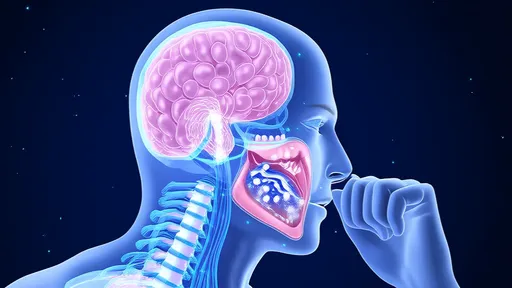
The mechanism behind this phenomenon is actually quite fascinating. When you stand up, gravity naturally pulls blood downward into your legs and abdomen. In a healthy body, the cardiovascular system quickly compensates by increasing heart rate and constricting blood vessels to maintain proper blood flow to the brain. But when this compensatory mechanism fails or lags, blood pressure drops, and the brain temporarily doesn't get enough oxygen-rich blood - leading to that alarming blackout sensation.
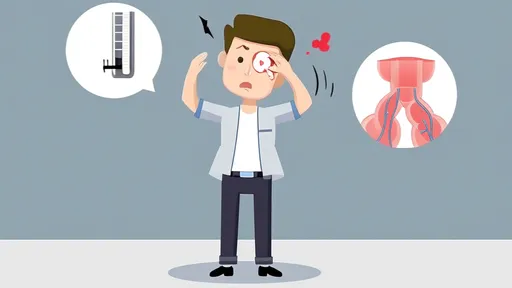
What does an episode actually feel like? People describe it in various ways. Some report a sudden "graying out" of vision, like a camera lens losing focus. Others experience full blackouts or what they call "seeing stars." There's often accompanying lightheadedness, weakness, nausea, or even brief confusion. In more severe cases, it can lead to actual fainting spells. The symptoms typically last just seconds to a few minutes as the body adjusts, but the aftereffects - that shaky, unsettled feeling - can linger longer.
Many people dismiss these episodes as just "standing up too fast," but when they happen frequently, they deserve medical attention. The condition becomes particularly concerning when it leads to falls, especially in older adults where fall-related injuries can be serious. Even without falling, recurrent episodes can make people anxious about simple movements, limiting their daily activities.
Who's most at risk? While anyone can experience occasional orthostatic hypotension, some groups are more vulnerable. Older adults top the list because aging affects the body's ability to regulate blood pressure quickly. People with certain neurological conditions like Parkinson's disease or multiple sclerosis often develop this problem. Those with heart conditions, diabetes, or who take certain medications (especially blood pressure drugs, diuretics, or some antidepressants) also face higher risk. Even healthy pregnant women commonly experience mild forms of it.
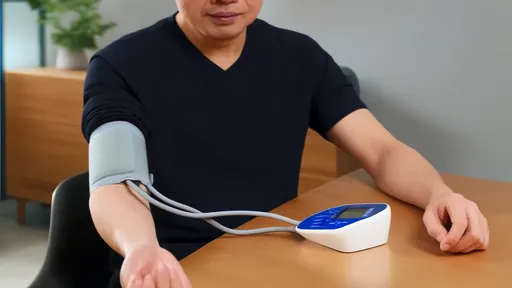
Diagnosing orthostatic hypotension is straightforward but important. Doctors typically take blood pressure readings while you're lying down, then immediately after standing, and again after standing for several minutes. A drop of 20 mmHg in systolic pressure or 10 mmHg in diastolic pressure within three minutes of standing generally confirms the diagnosis. Sometimes additional tests like tilt-table testing or blood work might be needed to uncover underlying causes.
Treatment approaches vary depending on severity and root causes. For mild cases, simple lifestyle changes often suffice. Doctors typically recommend rising more slowly from sitting or lying positions, staying well-hydrated, and avoiding known triggers like hot environments or large meals. Some people benefit from increasing salt intake (under medical supervision) or wearing compression stockings to prevent blood pooling in the legs.
For more severe cases, medications might be necessary. Options include drugs that boost blood volume, constrict blood vessels, or regulate the nervous system's control of blood pressure. The key is treating any underlying condition contributing to the problem. For instance, adjusting medications that cause blood pressure drops often brings significant improvement.
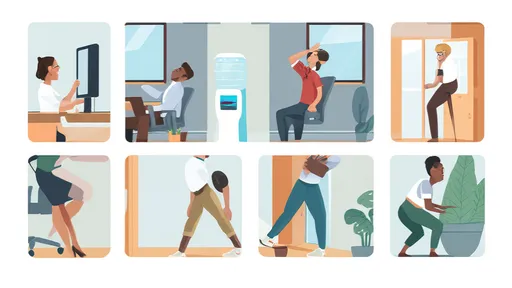
Preventive measures can make a big difference for those prone to these episodes. Simple habits like flexing leg muscles before standing, sitting on the edge of the bed for a minute before getting up, and avoiding sudden position changes help. Staying hydrated is crucial - dehydration worsens symptoms dramatically. Regular exercise (especially for leg strength) improves circulation over time. Some people find relief by sleeping with the head of the bed slightly elevated.
When should you worry? Occasional mild episodes might not require medical intervention, but certain red flags demand attention. These include frequent fainting, episodes accompanied by chest pain or irregular heartbeat, symptoms that don't resolve quickly, or blackouts that occur without any position change. These could indicate more serious heart or neurological conditions requiring prompt evaluation.
The psychological impact shouldn't be underestimated either. People who experience frequent episodes often develop what's called "fear of falling" syndrome. They may unconsciously limit activities or social engagements, leading to reduced quality of life and even isolation. Addressing the physical symptoms often helps relieve this anxiety as well.
Interestingly, some people experience a related but different phenomenon called postprandial hypotension - blood pressure drops after eating, particularly large meals. The mechanism is similar, with blood pooling in the digestive system instead of the legs. Smaller, more frequent meals and avoiding alcohol with meals can help manage this variant.
For athletes and very fit individuals, a condition called exercise-associated postural hypotension sometimes occurs after intense workouts. The combination of dehydration and blood vessel dilation from exercise can trigger symptoms. Cooling down properly and rehydrating helps prevent this.
Emerging research is shedding new light on orthostatic hypotension. Studies suggest it may be an early warning sign for certain neurodegenerative diseases, appearing years before other symptoms. Other research explores genetic factors that might predispose some people to autonomic nervous system dysfunction. There's also growing interest in non-drug therapies like specialized physical therapy programs and biofeedback techniques.
Living with recurrent orthostatic hypotension requires some adaptation but doesn't have to limit life severely. Simple strategies like keeping water handy, using chairs with arms for support when standing, and planning transitions carefully make a big difference. Many people find that recognizing warning signs (like sudden warmth or nausea) allows them to sit down before symptoms escalate.
If you're experiencing these episodes, don't just brush them off as normal. While occasional mild dizziness upon standing happens to most people, frequent or severe symptoms warrant medical evaluation. Today's treatment options - from lifestyle adjustments to targeted medications - can dramatically improve symptoms for most patients. The key is recognizing when "just standing up too fast" might actually be signaling something worth addressing with your healthcare provider.
Remember, that momentary blackout when you rise isn't just an inconvenience - it's your body sending an important message about your circulatory health. Listening to and addressing that message can lead to better balance, fewer falls, and greater confidence in your daily movements. In medicine as in life, sometimes the smallest signals carry the most significant meanings.
By /Aug 19, 2025
By /Aug 19, 2025
By /Aug 19, 2025

By /Aug 19, 2025

By /Aug 19, 2025

By /Aug 19, 2025
By /Aug 19, 2025
By /Aug 19, 2025

By /Aug 19, 2025

By /Aug 19, 2025

By /Aug 19, 2025
By /Aug 19, 2025
By /Aug 19, 2025

By /Aug 19, 2025
By /Aug 19, 2025
By /Aug 19, 2025
By /Aug 19, 2025

By /Aug 19, 2025

By /Aug 19, 2025

By /Aug 19, 2025
