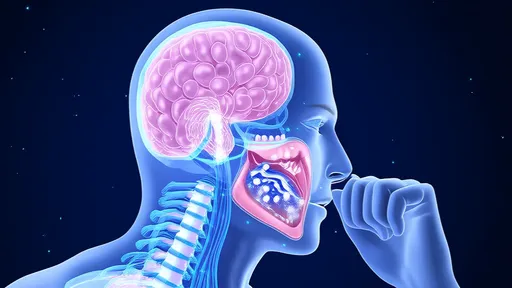
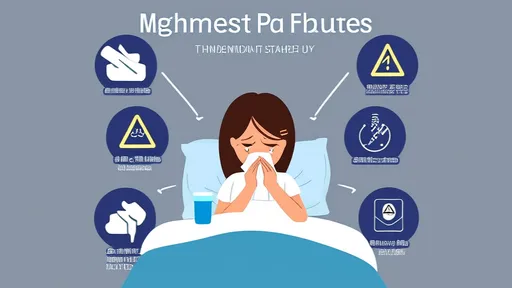
When that familiar tickle starts in your throat and your nose begins to run, we all know the drill - the common cold has come knocking again. While there's no magic cure for this viral nuisance, there are certainly ways to make your recovery smoother and avoid prolonging your misery. Surprisingly, many of the things we instinctively do when sick might actually be working against us.
The temptation to power through your daily routine when cold symptoms strike is perhaps the most common mistake people make. That "tough it out" mentality might earn you admiration at the office, but your body is sending clear signals that it needs rest. Continuing with your normal workload and social obligations doesn't just drain your limited energy reserves - it may extend your illness by preventing your immune system from doing its job effectively. Your coworkers will probably thank you for staying home too, since one sick person "being heroic" often leads to half the department catching the bug.
Overloading on vitamin C has become almost reflexive when cold symptoms appear, but the science behind this practice isn't as solid as the supplement industry would have you believe. While vitamin C plays an important role in immune function, megadoses once you're already sick provide little benefit and may cause digestive upset. The body can only absorb so much at once, with excess simply being excreted. You're better off maintaining consistent vitamin C intake through a balanced diet year-round rather than attempting to "overdose" when symptoms appear.
Another instinctive but counterproductive response is immediately reaching for over-the-counter cold medications. While these can provide temporary symptom relief, they often contain multiple active ingredients that may not all be necessary for your particular set of symptoms. Many people don't realize that suppressing a fever with medication might actually prolong the illness, as a mild fever helps create an inhospitable environment for viruses. Additionally, decongestants can lead to rebound congestion when used for more than a few days, leaving you more stuffed up than before.
Neglecting hydration is an easy misstep when you're feeling under the weather. The body loses more fluids than usual during a cold through mucus production, fever, and rapid breathing. Many people drink less when they're sick because they don't feel like eating or drinking normally. However, dehydration thickens mucus, making congestion worse and potentially leading to secondary infections like sinusitis. Warm liquids like broth or herbal tea can be particularly soothing while providing the hydration your body desperately needs.
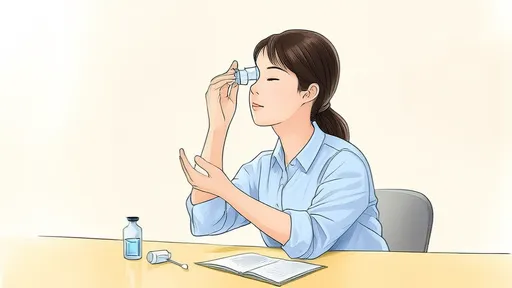
Perhaps the most surprising item on this list is blowing your nose too forcefully. While it's important to clear nasal passages, aggressive blowing can push mucus and bacteria into sinus cavities, increasing the risk of sinus infections. The pressure created by hard blowing can also cause small blood vessels to rupture, leading to nosebleeds. A gentler approach is more effective - use saline sprays to loosen mucus and blow one nostril at a time with minimal force. Keeping the nasal passages moist with a humidifier can also reduce the need for frequent nose blowing.
Sleep often takes a backseat when we're sick, between the discomfort of symptoms and the temptation to binge-watch shows while resting. But skimping on quality sleep is one of the worst things you can do during a cold. During deep sleep stages, the body releases cytokines - proteins that help fight infection and regulate immune response. Chronic sleep deprivation makes you more susceptible to catching colds in the first place, and inadequate sleep while sick can nearly double recovery time. Create an optimal sleep environment by propping yourself up to ease breathing and using a humidifier to prevent dry air from irritating your airways.
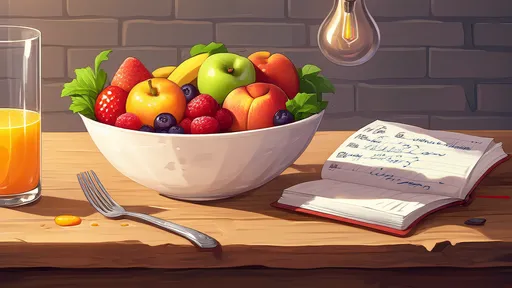
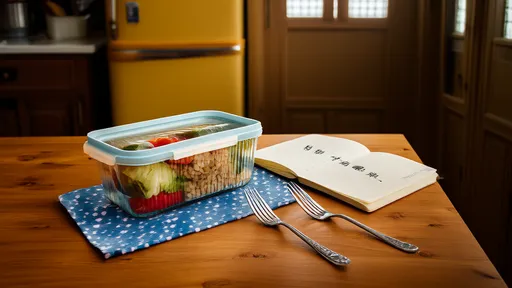
Many people assume that avoiding food when nauseous is the right approach, but prolonged fasting can weaken your body's defenses. While you shouldn't force yourself to eat large meals, small amounts of nutrient-dense foods can provide energy and resources your immune system needs. Chicken soup isn't just an old wives' tale - research shows it has mild anti-inflammatory effects and can help clear nasal congestion. Easy-to-digest foods like bananas, rice, toast, and yogurt are good options when your appetite is low.
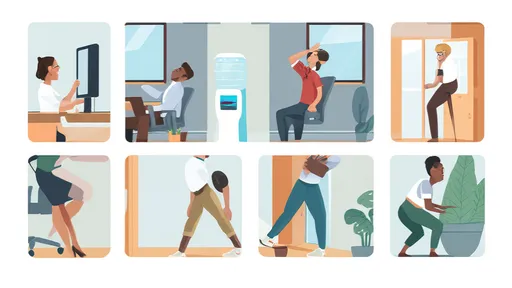
Overdoing exercise is another common mistake. While light movement can sometimes help with congestion, intense workouts divert energy away from immune function and may prolong your illness. The "neck rule" is a good guideline - if symptoms are all above the neck (runny nose, sore throat), light exercise is probably fine. But if you have below-the-neck symptoms like chest congestion, muscle aches, or fever, rest is crucial. Listen to your body - if exercise leaves you more exhausted than energized, it's time to take a break.
Finally, relying too heavily on alcohol as a nightcap or "cold remedy" can backfire. While that hot toddy might help you fall asleep initially, alcohol disrupts sleep quality later in the night and causes dehydration - exactly what your body doesn't need when fighting a virus. Alcohol also stresses the liver, which is already working hard to process byproducts of immune activity. Any perceived benefits are outweighed by the negative impacts on recovery.
Understanding these common missteps can help you recover from your next cold more quickly and comfortably. Sometimes the best medicine is simply allowing your body to do what it's designed to do, with a little common-sense support rather than interference. The next time you feel those first sniffles coming on, remember that how you respond in those first few days can make all the difference in how long you spend suffering and how quickly you return to full health.
By /Aug 19, 2025
By /Aug 19, 2025
By /Aug 19, 2025

By /Aug 19, 2025

By /Aug 19, 2025
By /Aug 19, 2025
By /Aug 19, 2025
By /Aug 19, 2025
By /Aug 19, 2025
By /Aug 19, 2025
By /Aug 19, 2025

By /Aug 19, 2025
By /Aug 19, 2025

By /Aug 19, 2025
By /Aug 19, 2025

By /Aug 19, 2025
By /Aug 19, 2025

By /Aug 19, 2025

By /Aug 19, 2025
By /Aug 19, 2025