For many people, using eye drops seems like a simple task—tilt your head back, squeeze the bottle, and let the liquid do its work. Yet, surprisingly, studies suggest that nearly 90% of individuals are making critical mistakes when applying eye drops, reducing their effectiveness and sometimes even causing harm. Whether you're using medicated drops for an eye condition or artificial tears for dryness, proper technique matters far more than most realize.
The first and most common mistake is failing to wash your hands before handling eye drops. Our hands carry countless bacteria, and touching the delicate eye area without proper hygiene can introduce infections like conjunctivitis. Even if the bottle’s tip doesn’t directly touch your eye, contaminated fingers can transfer germs to the eyelids or lashes, which then migrate into the eye. A quick scrub with soap and water eliminates this risk entirely, yet it’s a step many overlook in their routine.
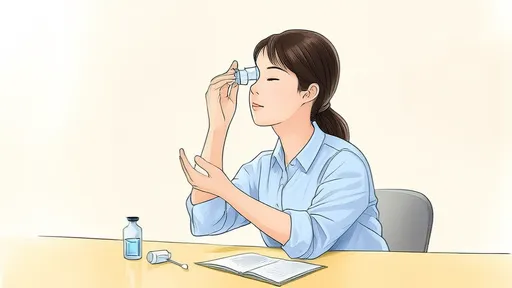
Another widespread error involves the positioning of the drop. Most people instinctively aim for the center of the eye, assuming the drop will spread evenly across the surface. However, this often triggers a reflexive blink, causing much of the medication to spill out before it can be absorbed. The correct target is the lower conjunctival sac—the pocket formed by gently pulling down the lower eyelid. This method not only minimizes blinking but also ensures the drop stays in place longer for optimal absorption.
The angle at which you hold the bottle also plays a significant role. Squeezing the dropper vertically increases the risk of the tip touching your eye or lashes, which can contaminate the solution. Tilting the bottle at a 45-degree angle while hovering above the eye allows a clean, controlled release. Additionally, many users apply excessive force when squeezing, causing multiple drops to fall out unnecessarily. A single drop is almost always sufficient; the eye’s capacity is far smaller than people assume.
Timing is another overlooked factor. If you’re using more than one type of eye drop, waiting at least five minutes between applications prevents the second medication from washing away the first. Similarly, closing your eyes gently (without squeezing) for two to three minutes after instilling a drop reduces drainage into the tear ducts, giving the active ingredients more time to work. Pressing lightly on the inner corner of the eye can further block this drainage pathway, a technique particularly useful for potent or expensive medications.
Storage mishaps are equally problematic. Many users keep eye drops in bathrooms or cars, exposing them to temperature fluctuations and moisture that degrade preservatives. Most eye drops should be stored at room temperature away from direct sunlight, and some require refrigeration after opening—details often buried in the fine print of packaging. Expiry dates are another critical checkpoint; using drops past their discard date risks irritation or reduced potency, yet the tiny print on the bottle makes this easy to ignore.
For contact lens wearers, the rules grow even stricter. Not all eye drops are safe to use with lenses in place. Some contain preservatives that bind to soft lenses, causing irritation or cloudy vision. Always check labels for "preservative-free" formulations or remove lenses before applying unless the product specifically states otherwise. Reinserting lenses too soon after drop application can also trap medication against the cornea, leading to discomfort or damage.
Parents administering drops to children face unique challenges. A struggling child increases the chances of missed drops or bottle contamination. One effective strategy is having the child lie flat with eyes closed, placing the drop in the inner corner, then having them blink to draw the liquid in. For infants, gently rolling the lower eyelid down while they feed or sleep can sometimes work better than attempting drops on an alert, resistant baby.
Even the way you open a new eye drop bottle matters. The protective seal isn’t just for show—it maintains sterility. Twisting caps off forcefully can send tiny plastic particles into the solution. Instead, carefully snip the tip with clean scissors or peel the seal smoothly. And while it may seem economical to share eye drops within a family during allergy season or infections, this is a dangerous practice. Cross-contamination between users can spread bacteria or viruses, turning a simple case of pink eye into a household epidemic.
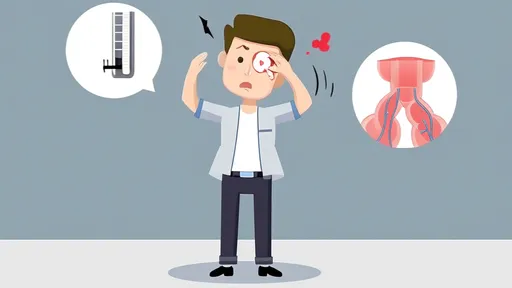
The consequences of improper use extend beyond wasted medication. Chronic misuse of steroid eye drops, for example, can elevate intraocular pressure, potentially leading to glaucoma. Overusing redness-relief drops creates rebound effects where eyes become dependent on the vasoconstrictors. Even harmless-seeming artificial tears can cause problems if used excessively with preservatives, as these chemicals accumulate on the ocular surface over time, paradoxically worsening dryness for some patients.
For those with arthritis or shaky hands, standard drop bottles can be nearly impossible to manage accurately. In these cases, assistive devices like drop guides or automatic dispensers prove invaluable. Some pharmacies also carry unit-dose vials that eliminate the need for precise aiming altogether. If struggling persists, consulting an ophthalmologist about alternative delivery methods (like ointments or sustained-release inserts) might be warranted.
Perhaps the most universal mistake is assuming all eye drops are interchangeable. A drop that works wonders for your friend’s dry eyes might exacerbate your symptoms. Allergies to preservatives, mismatches between the drop’s viscosity and your condition, or simply using the wrong type for your specific issue are all common pitfalls. This is why professional diagnosis and tailored recommendations matter—especially for persistent eye problems that don’t resolve with over-the-counter solutions.
Mastering proper eye drop technique isn’t just about precision; it’s about respecting the delicate balance of the ocular ecosystem. Each small adjustment—from hand hygiene to drop placement—adds up to significantly better outcomes. With vision being such a precious sense, taking those extra moments to apply drops correctly is an investment well worth making. The next time you reach for that little bottle, remember: what seems like a minor detail in the moment could make all the difference in how well your eyes heal and feel.

By /Aug 19, 2025
By /Aug 19, 2025

By /Aug 19, 2025

By /Aug 19, 2025

By /Aug 19, 2025

By /Aug 19, 2025

By /Aug 19, 2025

By /Aug 19, 2025
By /Aug 19, 2025

By /Aug 19, 2025

By /Aug 19, 2025

By /Aug 19, 2025
By /Aug 19, 2025

By /Aug 19, 2025

By /Aug 19, 2025
By /Aug 19, 2025

By /Aug 19, 2025

By /Aug 19, 2025

By /Aug 19, 2025

By /Aug 19, 2025
