Are You Wearing Your Face Mask Correctly?

Aug 19, 2025 By

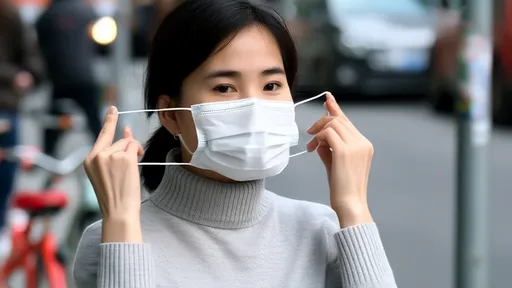
The simple act of wearing a face mask has become one of the most debated and scrutinized health practices in recent years. While masks have proven effective in reducing the spread of respiratory illnesses, their effectiveness hinges entirely on proper usage. Unfortunately, many people unknowingly compromise their protection by making common mistakes in how they wear, handle, and store their masks.


Mask selection forms the foundation of proper protection. Not all masks are created equal, and choosing the right type for your situation is crucial. Medical-grade surgical masks and properly fitted respirators (like N95s or KN95s) offer superior filtration compared to cloth masks. However, even the highest-quality mask fails if it doesn't fit correctly. Gaps around the nose, cheeks, or chin allow unfiltered air to bypass the mask's filtration system entirely, rendering it practically useless.


Many people overlook the importance of hand hygiene when handling their masks. Your mask can become contaminated just like your hands, and touching the mask's exterior transfers those contaminants to your fingers. Always wash or sanitize your hands before putting on or adjusting your mask, and repeat the process after removing it. This simple step prevents you from inadvertently introducing pathogens to your face or spreading them to surfaces you touch.


The way you wear your mask matters more than most people realize. A properly worn mask should completely cover both your nose and mouth without gaps. We've all seen the "nose-out" style where people leave their nostrils exposed, but this defeats the entire purpose of masking. Similarly, wearing the mask under your chin or dangling from one ear provides no protection whatsoever. The mask needs to maintain a secure seal around your face to effectively filter the air you breathe.


Mask maintenance is another frequently neglected aspect of proper usage. Disposable masks should never be reused, as their filtration efficiency degrades with wear and they become contaminated. Cloth masks require regular washing with hot water and detergent. Many people make the mistake of treating their cloth mask like any other clothing item, wearing it multiple times between washes. This allows pathogens to accumulate on the fabric surface, potentially increasing infection risk rather than reducing it.


Proper mask storage between uses is equally important. Tossing your mask into a purse or pocket exposes it to various contaminants and can damage its structure. If you need to remove your mask temporarily, fold it carefully with the outer surface inward and store it in a clean, breathable container like a paper bag. Never hang your mask from your rearview mirror or leave it exposed on surfaces where it can pick up germs.


The duration of mask wear also affects its effectiveness. Extended wear leads to moisture buildup from breathing, which can compromise filtration efficiency and make the mask uncomfortable. For prolonged use in high-risk environments, consider bringing spare masks to change when they become damp. However, frequent unnecessary adjustments should be avoided, as each time you touch your mask, you risk contaminating it or your hands.


Children's masks present unique challenges that many parents struggle with. Finding properly sized masks for smaller faces is essential, as adult-sized masks leave dangerous gaps. Teaching children not to fidget with their masks requires patience and creative solutions, like decorating masks to make them more appealing. Children's masks need even more frequent changing due to drooling, chewing, or general play.


Special situations like eating in public or exercising while masked require additional consideration. The common practice of pulling the mask down to one's chin while eating exposes the mask's inner surface to contamination. When exercising, breathability becomes more important, but so does maintaining protection. Choosing an appropriate mask for the activity level and ensuring it stays properly positioned despite movement are key factors often overlooked.


Mask removal technique is just as critical as proper wearing. Many people contaminate themselves when taking off their masks by touching the front surface. The correct method involves handling only the ear loops or ties, folding the mask inward to contain any surface contaminants, and immediately washing hands afterward. This simple sequence prevents the transfer of pathogens from the mask to your hands or face.


Environmental factors like humidity and temperature affect mask performance that most people never consider. High humidity can make masks uncomfortable and cause them to degrade faster, while cold weather may lead to glasses fogging that tempts wearers to create nose gaps. Understanding these challenges helps in selecting appropriate masks for different conditions and finding solutions that don't compromise protection.


The psychological aspect of mask-wearing shouldn't be ignored either. Mask fatigue leads to complacency, causing people to relax their standards over time. Maintaining vigilance about proper mask use requires conscious effort, especially as mandates ease and social pressures change. Remembering the purpose behind masking - protecting both yourself and others - can help sustain proper practices even when inconvenient.


Ultimately, proper mask usage is a skill that requires knowledge, attention, and practice. In our eagerness to return to normalcy, we must resist the temptation to cut corners with mask protocols. The difference between effective and ineffective masking often comes down to small details that are easy to overlook but critically important. By mastering these nuances, we maximize our protection and contribute to community health efforts.


Recommend Posts
Health

Where does a suppressed sneeze go? Is it harmful to the body?

By /Aug 19, 2025

Have you ever felt a sneeze coming on, only to stifle it at the last moment? Maybe you were in a quiet meeting, a crowded elevator, or simply didn’t want to draw attention to yourself. But have you ever wondered where that suppressed sneeze goes? More importantly, could holding back a sneeze actually harm your body? The answers might surprise you.
Health

Suddenly Seeing Darkness? It Might Be Orthostatic Hypotension at Play!

By /Aug 19, 2025

You stand up quickly from your chair and suddenly the world goes dark. Your vision tunnels, your head swims, and for a few terrifying seconds you feel like you might faint. This unsettling experience is more common than you might think, and it often points to a condition called orthostatic hypotension.
Health

That Persistent Itch in Your Ear: When Nothing Comes Out, It Might Be a Fungal Infection

By /Aug 19, 2025

We’ve all experienced that maddening itch deep inside the ear—the kind that makes you grab a cotton swab, hoping for relief. But what happens when you dig around and find nothing? No wax, no debris, just an unrelenting tickle that won’t quit. For many people, this frustrating scenario points to an often-overlooked culprit: a fungal infection.
Health

Should You Rinse Your Mouth Before Brushing Your Teeth? Dentists Say Many People Are Doing It Wrong!

By /Aug 19, 2025

For decades, the simple act of brushing our teeth has been a non-negotiable part of our daily hygiene routine. Yet, how many of us have paused to consider whether we’re doing it correctly? One question that often sparks debate is whether we should rinse our mouths with water before brushing. Surprisingly, this seemingly minor step can have significant implications for oral health, and according to dentists, many people are getting it wrong.
Health

How to Reheat Leftovers Safely?

By /Aug 19, 2025

Leftovers are a common part of our daily lives, whether from last night's dinner or a weekend feast. While reheating food seems straightforward, doing it safely requires attention to detail. Improper reheating can lead to foodborne illnesses or diminish the quality of your meal. Understanding the best practices ensures that your food remains both delicious and safe to eat.
Health

Spicy Food Hurts the Stomach? Actually, It Has More Benefits Than You Think!"

By /Aug 19, 2025

For decades, the idea that spicy food harms the stomach has been widely accepted. Many people avoid chili peppers, hot sauces, and fiery dishes out of fear that they might damage their digestive system or cause ulcers. But what if this common belief is more myth than fact? Recent research suggests that spicy food, when consumed in moderation, may actually offer surprising benefits for gut health and overall well-being.
Health

Is MSG Really Harmful? A Scientific Interpretation Comes!

By /Aug 19, 2025

For decades, monosodium glutamate (MSG), commonly known as flavor enhancer or "umami seasoning," has been at the center of a heated debate. Is it a harmless kitchen staple or a silent health threat? The controversy surrounding MSG has led to widespread confusion, with some restaurants proudly advertising "No MSG" on their menus while scientists continue to insist on its safety. Let's cut through the noise and examine what rigorous scientific research actually tells us about this widely used ingredient.
Health

Fridge Food Storage Guide: Prevent Cross-Contamination!

By /Aug 19, 2025

Keeping your refrigerator organized isn’t just about neatness—it’s a critical step in preventing foodborne illnesses and ensuring the longevity of your groceries. Cross-contamination in the fridge is a silent hazard, often overlooked until it’s too late. Raw meats dripping onto fresh produce, unsealed leftovers mingling with ready-to-eat foods, or even misplaced dairy products can turn your refrigerator into a breeding ground for bacteria. Understanding how to store food properly isn’t just a recommendation; it’s a necessity for health-conscious households.
Health

The Best Time to Eat Fruits: Morning or Evening?

By /Aug 19, 2025

For many health-conscious individuals, the question of when to eat fruit for maximum benefits is a topic of ongoing debate. Some swear by consuming fruits first thing in the morning, while others argue that evenings are the ideal time. The truth, as with many nutrition-related matters, isn’t black and white. Several factors, including digestion, metabolism, and personal health goals, influence the best time to enjoy nature’s sweet offerings.
Health

Are You Wearing Your Face Mask Correctly?

By /Aug 19, 2025

The simple act of wearing a face mask has become one of the most debated and scrutinized health practices in recent years. While masks have proven effective in reducing the spread of respiratory illnesses, their effectiveness hinges entirely on proper usage. Unfortunately, many people unknowingly compromise their protection by making common mistakes in how they wear, handle, and store their masks.
Health

Can You Eat Leftovers? Avoid These Types at All Costs!

By /Aug 19, 2025

The debate over whether leftover food is safe to eat has been ongoing for years, with opinions divided between those who swear by reheating yesterday’s dinner and others who toss anything that’s spent a night in the fridge. While some dishes hold up well, others can become breeding grounds for bacteria or lose their nutritional value—or worse, turn toxic. Understanding which foods are safe to reheat and which should never be kept overnight is crucial for maintaining both health and food quality.
Health

Does Drinking Milk Before Bed Really Help You Sleep? The Truth Revealed!

By /Aug 19, 2025

For generations, warm milk has been a go-to bedtime remedy for restless nights. Parents swear by it, grandmothers insist on it, and even popular culture reinforces the idea that a glass of milk before bed guarantees sound sleep. But is there any scientific truth behind this age-old belief, or is it just another wellness myth? The answer, as it turns out, is more nuanced than a simple yes or no.
Health

How to Use Eye Drops Correctly? 90% of People Do It Wrong!

By /Aug 19, 2025

For many people, using eye drops seems like a simple task—tilt your head back, squeeze the bottle, and let the liquid do its work. Yet, surprisingly, studies suggest that nearly 90% of individuals are making critical mistakes when applying eye drops, reducing their effectiveness and sometimes even causing harm. Whether you're using medicated drops for an eye condition or artificial tears for dryness, proper technique matters far more than most realize.
Health

Cold Hands and Feet in Winter? 6 Ways to Improve Blood Circulation!

By /Aug 19, 2025

As the temperature drops and winter sets in, many people find themselves struggling with persistently cold hands and feet. This common issue isn't just about discomfort—it often signals poor circulation that leaves our extremities feeling like blocks of ice no matter how many layers we wear. While some might dismiss it as a minor seasonal annoyance, chronically cold extremities can significantly impact quality of life during winter months.
Health

5 Quick Office Micro-Exercises to Break the Sedentary Cycle

By /Aug 19, 2025

The modern workplace has become a breeding ground for sedentary behavior. With most professionals spending eight or more hours glued to their chairs, the health consequences are impossible to ignore. Back pain, stiff joints, poor circulation, and even long-term cardiovascular risks have become occupational hazards for desk-bound workers. But what if we told you there's a way to combat these issues without leaving your workstation?
Health

How to Measure Blood Pressure Correctly? A Must-See for Home Self-Monitoring!

By /Aug 19, 2025

For millions of people worldwide, monitoring blood pressure at home has become an essential part of managing cardiovascular health. Unlike sporadic clinic readings, regular home measurements provide a more accurate picture of one’s blood pressure patterns, free from the "white coat effect" that can skew results in medical settings. However, obtaining reliable readings requires more than just strapping on a cuff and pressing a button. Proper technique, equipment selection, and consistency play pivotal roles in ensuring the data you collect truly reflects your cardiovascular status.
Health

5 Things You Shouldn't Do When You Have a Cold!

By /Aug 19, 2025

When that familiar tickle starts in your throat and your nose begins to run, we all know the drill - the common cold has come knocking again. While there's no magic cure for this viral nuisance, there are certainly ways to make your recovery smoother and avoid prolonging your misery. Surprisingly, many of the things we instinctively do when sick might actually be working against us.
Health

Is Drinking 8 Glasses of Water a Day Really Scientific?

By /Aug 19, 2025

The idea that we should drink eight glasses of water a day is one of the most persistent pieces of health advice out there. It’s repeated in magazines, echoed by doctors, and even printed on water bottles. But where did this recommendation come from, and is there any real science behind it? The answer, as it turns out, is more complicated than a simple yes or no.
Health

Eating Seafood with Beer = Gout Combo? Scientific Explanation!"

By /Aug 19, 2025

For many seafood lovers, there's nothing quite like pairing fresh lobster, shrimp, or oysters with an ice-cold beer. The briny sweetness of seafood seems to complement the crisp bitterness of beer perfectly. However, this beloved combination has earned an ominous nickname in recent years: the "gout package." But is this label scientifically justified, or is it just another food myth?
Health

How to Distinguish Fake Honey"? 3 Easy Tips to Identify!

By /Aug 19, 2025

Honey has long been cherished as a natural sweetener with numerous health benefits, but not all honey on the shelves is as pure as it claims to be. The rise of counterfeit honey has made it increasingly difficult for consumers to distinguish between the real deal and clever imitations. Understanding how to spot fake honey is essential for anyone looking to reap its true nutritional and medicinal advantages.