Have you ever felt a sneeze coming on, only to stifle it at the last moment? Maybe you were in a quiet meeting, a crowded elevator, or simply didn’t want to draw attention to yourself. But have you ever wondered where that suppressed sneeze goes? More importantly, could holding back a sneeze actually harm your body? The answers might surprise you.
A sneeze is a powerful reflex action, a sudden expulsion of air from the lungs through the nose and mouth. It’s the body’s way of clearing irritants from the nasal passages. When you feel the urge to sneeze, your body is preparing to forcefully eject whatever is bothering your respiratory system—whether it’s dust, pollen, or a pesky virus. But what happens when you interrupt this natural process?
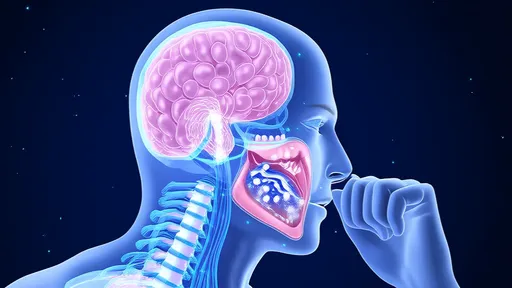
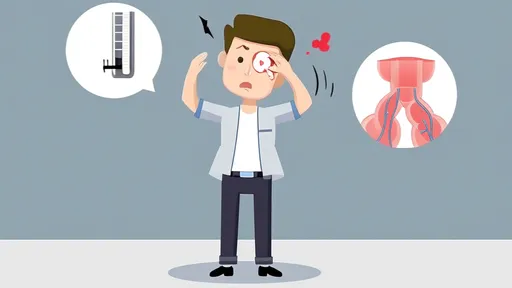
When you suppress a sneeze, the air pressure that was meant to escape through your nose and mouth has to go somewhere. Instead of being expelled, the air is redirected back into your respiratory system. This can cause the pressure to build up in your sinuses, ears, or even your throat. In rare cases, the increased pressure can lead to discomfort or minor injuries, such as a ruptured eardrum or strained blood vessels in the eyes. While these instances are uncommon, they highlight the sheer force behind a sneeze—one that shouldn’t be taken lightly.
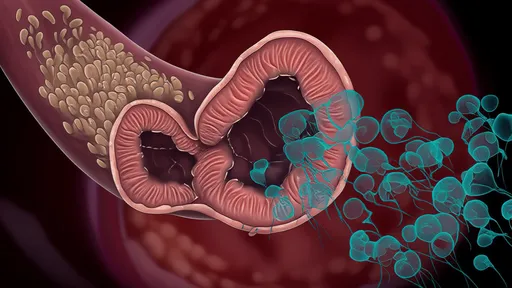
Some people believe that holding in a sneeze can "push" germs deeper into the body, increasing the risk of infection. While there’s no definitive proof that this happens, it’s true that sneezing serves a purpose: to expel irritants and pathogens. By stopping a sneeze, you might be preventing your body from effectively clearing out unwanted particles. Over time, this could potentially contribute to sinus congestion or other respiratory issues, though more research is needed to confirm this theory.
Another concern is the effect on the ears. The Eustachian tubes, which connect the middle ear to the throat, help regulate ear pressure. When you stifle a sneeze, the sudden change in pressure can disrupt this balance, leading to a feeling of fullness or even temporary hearing changes. In extreme cases, it could contribute to ear infections or barotrauma—a condition caused by rapid pressure changes. Again, these outcomes are rare, but they underscore why sneezing is best allowed to happen naturally.
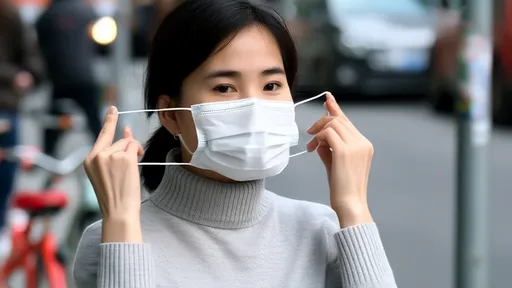
So, is it ever safe to hold in a sneeze? The occasional suppressed sneeze is unlikely to cause serious harm, but making a habit of it might not be the best idea. If you’re in a situation where sneezing would be inconvenient or embarrassing, experts suggest gently pinching your nose and closing your mouth to reduce the force of the sneeze rather than completely stifling it. Alternatively, sneezing into a tissue or the crook of your elbow can help minimize the spread of germs without putting undue pressure on your body.
At the end of the day, sneezing is a natural and necessary bodily function. While it might be tempting to hold one back in certain social situations, doing so too often could have unintended consequences. The next time you feel a sneeze coming on, remember: your body is trying to protect you. Sometimes, it’s best to just let it happen.
By /Aug 19, 2025
By /Aug 19, 2025
By /Aug 19, 2025

By /Aug 19, 2025

By /Aug 19, 2025

By /Aug 19, 2025

By /Aug 19, 2025

By /Aug 19, 2025

By /Aug 19, 2025
By /Aug 19, 2025

By /Aug 19, 2025
By /Aug 19, 2025
By /Aug 19, 2025

By /Aug 19, 2025
By /Aug 19, 2025

By /Aug 19, 2025
By /Aug 19, 2025

By /Aug 19, 2025

By /Aug 19, 2025

By /Aug 19, 2025