For decades, the simple act of brushing our teeth has been a non-negotiable part of our daily hygiene routine. Yet, how many of us have paused to consider whether we’re doing it correctly? One question that often sparks debate is whether we should rinse our mouths with water before brushing. Surprisingly, this seemingly minor step can have significant implications for oral health, and according to dentists, many people are getting it wrong.
The common assumption is that rinsing before brushing helps to loosen food particles and prepare the mouth for cleaning. However, dental professionals argue that this practice might not be as beneficial as we think. In fact, it could even undermine the effectiveness of toothpaste, particularly when it comes to fluoride—the key ingredient responsible for strengthening enamel and preventing cavities.
The Science Behind Pre-Brushing Rinsing
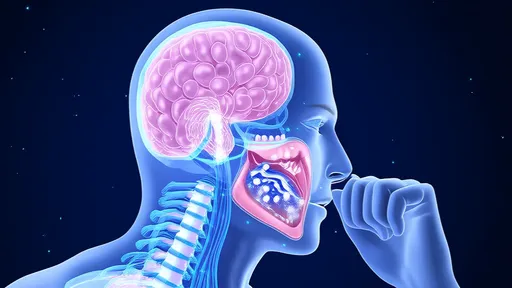
To understand why pre-rinsing might be counterproductive, it’s essential to look at how toothpaste works. Most toothpastes contain fluoride, a mineral that bonds with the enamel to create a protective barrier against acid attacks from bacteria. When you rinse your mouth with water before brushing, you’re essentially diluting the concentration of fluoride in your saliva before the toothpaste even has a chance to work. This reduces its ability to adhere to the teeth and provide long-lasting protection.
Additionally, rinsing with water can wash away some of the natural saliva in your mouth. Saliva plays a crucial role in oral health by neutralizing acids and aiding in remineralization. By disrupting this balance prematurely, you might be leaving your teeth more vulnerable to decay.
The Case for Skipping the Pre-Rinse
Dentists who advise against rinsing before brushing emphasize that toothpaste is designed to work effectively on its own. The abrasives and detergents in toothpaste are formulated to break down plaque and debris without the need for pre-rinsing. In fact, some studies suggest that applying toothpaste to dry teeth allows it to adhere better, enhancing its cleaning and protective properties.
Another consideration is the pH level in your mouth. When you wake up in the morning, your mouth is often more acidic due to reduced saliva flow overnight. Rinsing with water might temporarily alter the pH, but it doesn’t address the underlying acidity. Instead, brushing with fluoride toothpaste directly helps neutralize acids and strengthens the enamel from the outset.
What About Post-Brushing Rinsing?
While the focus here is on pre-brushing habits, it’s worth mentioning the debate around rinsing after brushing. Many people instinctively rinse their mouths with water after brushing to remove excess toothpaste. However, this habit can also dilute fluoride’s benefits. Dental professionals often recommend spitting out the excess toothpaste without rinsing, allowing the fluoride to remain on the teeth for longer-lasting protection.
For those who find the sensation of leftover toothpaste uncomfortable, alternatives like fluoride mouthwash can be used. These products are designed to complement brushing without washing away the fluoride entirely.
Cultural and Generational Differences
Attitudes toward rinsing before brushing vary across cultures and generations. In some households, pre-rinsing is a deeply ingrained habit passed down from parents or grandparents. Others may have been taught to brush on dry teeth for maximum efficacy. These differences highlight the lack of universal guidance on the topic, which can lead to confusion.
Dental associations in different countries also offer conflicting advice. For instance, some European dental guidelines encourage pre-rinsing to remove loose debris, while American dentists often discourage it. This inconsistency underscores the need for personalized advice from a dental professional based on individual oral health needs.
Practical Tips for Optimal Brushing
If you’re used to rinsing before brushing, breaking the habit might take some adjustment. Start by brushing your teeth without wetting the toothbrush or rinsing your mouth beforehand. Use a pea-sized amount of fluoride toothpaste and brush for a full two minutes, covering all surfaces of your teeth. After brushing, spit out the excess toothpaste but avoid rinsing with water immediately.
For those with specific conditions like dry mouth or sensitive teeth, consulting a dentist is crucial. They may recommend tailored strategies, such as using a high-fluoride toothpaste or incorporating a saliva substitute to maintain moisture.
The Bottom Line
While the debate over pre-brushing rinsing may seem trivial, small changes in our oral hygiene routines can have a lasting impact on dental health. The consensus among many dental professionals is clear: skipping the pre-rinse can enhance the benefits of fluoride toothpaste and improve overall oral hygiene. As with any health-related habit, it’s always best to consult your dentist for advice tailored to your unique needs.
By /Aug 19, 2025
By /Aug 19, 2025
By /Aug 19, 2025

By /Aug 19, 2025

By /Aug 19, 2025

By /Aug 19, 2025
By /Aug 19, 2025

By /Aug 19, 2025

By /Aug 19, 2025

By /Aug 19, 2025

By /Aug 19, 2025

By /Aug 19, 2025

By /Aug 19, 2025

By /Aug 19, 2025

By /Aug 19, 2025

By /Aug 19, 2025
By /Aug 19, 2025

By /Aug 19, 2025

By /Aug 19, 2025
By /Aug 19, 2025