For millions of people worldwide, monitoring blood pressure at home has become an essential part of managing cardiovascular health. Unlike sporadic clinic readings, regular home measurements provide a more accurate picture of one’s blood pressure patterns, free from the "white coat effect" that can skew results in medical settings. However, obtaining reliable readings requires more than just strapping on a cuff and pressing a button. Proper technique, equipment selection, and consistency play pivotal roles in ensuring the data you collect truly reflects your cardiovascular status.
Understanding the basics of blood pressure is the first step toward effective home monitoring. Blood pressure consists of two numbers: systolic (the higher number), which measures the pressure in arteries when the heart beats, and diastolic (the lower number), indicating pressure between beats. Clinically, normal blood pressure falls below 120/80 mmHg, while consistent readings above 130/80 mmHg may indicate hypertension. These thresholds underscore why precision matters—a few mmHg can mean the difference between normal and elevated classifications.
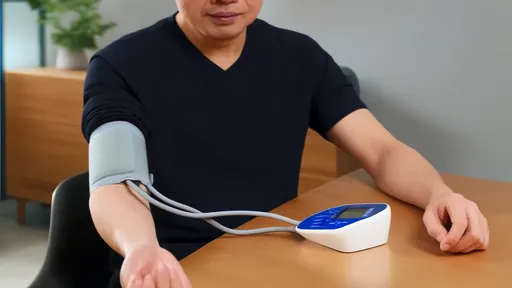
The choice of equipment significantly impacts measurement accuracy. Validated automatic upper-arm monitors are generally recommended over wrist or finger devices, which tend to be less reliable. Look for models bearing approval marks from organizations like the European Society of Hypertension (ESH) or the Association for the Advancement of Medical Instrumentation (AAMI). Cuff size proves equally critical—an improperly fitted cuff can distort readings by up to 30 mmHg. Measure your mid-upper arm circumference and select a cuff whose bladder length covers 80% and width at least 40% of this measurement.
Preparation begins long before the cuff inflates. Avoid caffeine, exercise, and smoking for at least 30 minutes prior to measurement. Sit quietly in a chair with back support for five minutes, feet flat on the floor, legs uncrossed. Position your arm at heart level on a table—a common mistake is letting the arm hang down, which can increase readings by 10 mmHg or more. The cuff should sit directly on bare skin, not over clothing, with the artery marker aligned with your brachial artery. Remain still and silent during the measurement, as talking or moving can temporarily elevate pressure.
Timing and frequency of measurements warrant careful consideration. Take readings at consistent times daily, ideally morning and evening, as blood pressure follows circadian rhythms. The American Heart Association recommends duplicate measurements one minute apart—discarding the first reading and averaging the next two. Documenting three to seven days of readings weekly provides clinicians with meaningful trends rather than isolated data points. This approach helps account for natural variability caused by stress, hydration, or other transient factors.
Interpreting home readings requires context. Blood pressure naturally fluctuates throughout the day, typically peaking in the early morning and reaching its nadir during sleep. Seasonal variations also occur, with readings often higher in winter. Emotional state, recent meals, even a full bladder can temporarily elevate numbers. This variability explains why diagnosis of hypertension typically requires multiple elevated readings over time rather than a single measurement. Keeping a detailed log that notes measurement times, activities, and symptoms helps healthcare providers distinguish concerning patterns from normal variations.
Common pitfalls can compromise even well-intentioned monitoring efforts. Cuff placement too loose or tight, back support absence, or improper arm position all introduce error. Some users make the mistake of taking readings immediately after vigorous activity or during stressful moments. Others become overly fixated on numbers, taking dozens of daily measurements that create unnecessary anxiety—a phenomenon called "white coat habit syndrome." Remember, home monitoring serves as a tool for trend assessment, not moment-to-moment surveillance.
For those managing hypertension, home monitoring offers distinct advantages beyond accuracy. It enhances treatment adherence by making the invisible visible—patients who see their numbers respond better to lifestyle modifications and medication regimens. The data empowers more informed conversations with healthcare providers, moving beyond vague descriptions like "I feel my pressure’s up" to concrete metrics. Studies show patients who regularly self-monitor achieve better blood pressure control and experience fewer cardiovascular events compared to those relying solely on clinic measurements.
Special populations require additional considerations. Elderly individuals may experience orthostatic hypotension—a sudden drop upon standing—necessitating seated and standing measurements. Pregnant women should use validated devices calibrated for potential preeclampsia detection. For arrhythmia patients, certain monitors can flag irregular heartbeats during measurement. Children need specifically sized cuffs and may require extra time to acclimate to the process. In all cases, individualized protocols developed with a healthcare provider yield the most meaningful results.
Technology continues transforming home blood pressure monitoring. Bluetooth-enabled devices automatically sync with smartphone apps, creating shareable digital logs that eliminate transcription errors. Some platforms incorporate artificial intelligence to identify patterns and alert users to concerning trends. However, these advancements don’t replace proper technique—a high-tech monitor still requires correct usage to generate valid data. As telehealth expands, the ability to transmit accurate home readings becomes increasingly valuable for remote patient management.
Establishing a sustainable routine proves crucial for long-term success. Integrate measurements into daily rituals—perhaps with morning coffee or evening medication. Store the monitor in an easily accessible location to reduce barriers. Involve family members as accountability partners, especially when motivation wanes. View the process not as a chore but as an act of self-care, much like brushing teeth or exercising. This mindset shift helps transform monitoring from a medical obligation into a valued health maintenance habit.
While home monitoring provides invaluable data, it complements rather than replaces professional care. Share your readings during healthcare visits and discuss any concerning patterns—sustained elevations, unusually low readings, or significant variability. Some patients benefit from ambulatory blood pressure monitoring (a 24-hour wearable device) if home readings conflict with clinical assessments. Remember that blood pressure represents just one aspect of cardiovascular health; cholesterol, glucose, and lifestyle factors all contribute to holistic risk assessment.
Mastering home blood pressure measurement requires patience and practice. Initially, the process may feel cumbersome with all its precise steps and precautions. Yet over time, proper technique becomes second nature. The payoff extends beyond numbers on a screen—it’s the confidence of knowing you’re gathering accurate data to inform your health decisions, the early detection of potential issues, and the active participation in your own cardiovascular wellbeing. In an era where hypertension remains a leading global health threat, this simple daily practice empowers individuals to take control of what they can measure—and ultimately, what they can manage.

By /Aug 19, 2025
By /Aug 19, 2025

By /Aug 19, 2025

By /Aug 19, 2025
By /Aug 19, 2025

By /Aug 19, 2025

By /Aug 19, 2025

By /Aug 19, 2025

By /Aug 19, 2025

By /Aug 19, 2025

By /Aug 19, 2025

By /Aug 19, 2025
By /Aug 19, 2025

By /Aug 19, 2025
By /Aug 19, 2025
By /Aug 19, 2025
By /Aug 19, 2025

By /Aug 19, 2025

By /Aug 19, 2025

By /Aug 19, 2025
