Keeping your refrigerator organized isn’t just about neatness—it’s a critical step in preventing foodborne illnesses and ensuring the longevity of your groceries. Cross-contamination in the fridge is a silent hazard, often overlooked until it’s too late. Raw meats dripping onto fresh produce, unsealed leftovers mingling with ready-to-eat foods, or even misplaced dairy products can turn your refrigerator into a breeding ground for bacteria. Understanding how to store food properly isn’t just a recommendation; it’s a necessity for health-conscious households.
The science behind refrigerator organization is more nuanced than simply separating meat from vegetables. Harmful pathogens like Salmonella, E. coli, and Listeria thrive in specific conditions and can easily jump from one food item to another through direct contact or even airborne moisture. Your refrigerator’s layout plays a pivotal role in either encouraging or preventing this microbial migration. Cold air circulates differently in each section, creating microclimates that affect how quickly bacteria multiply. For instance, the door shelves experience the most temperature fluctuations, making them unsuitable for highly perishable items, while the lower shelves maintain the most consistent cold, ideal for raw proteins.
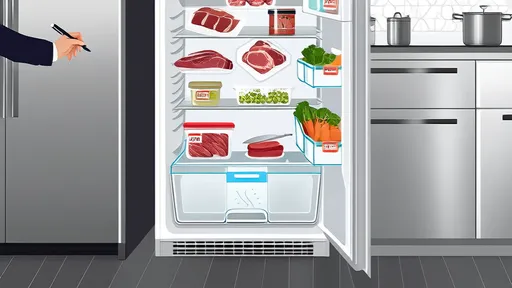
Raw meats and seafood demand special attention. These items should always occupy the bottom shelf, not just for easy cleanup of potential leaks but because it’s the coldest part of the fridge. Placing them above other foods risks juices dripping onto items that won’t be cooked before consumption, like fruits or deli meats. Double containment—keeping meats in their original packaging placed inside a sealed container or plastic bag—adds an extra barrier against leaks. This practice isn’t excessive; it’s a standard in professional kitchens for good reason.
Dairy products often fall victim to improper storage. While many instinctively place milk in the door for convenience, this exposes it to warmer air every time the fridge opens, accelerating spoilage. The same applies to eggs, despite many refrigerator designs including door egg holders. The back of the middle shelf provides a more stable environment, preserving freshness longer. Cheese, however, requires a slightly different approach—wrapped in wax paper or parchment instead of plastic wrap to allow breathability while preventing moisture buildup that leads to mold.
Produce storage is where most households make critical errors. Not all fruits and vegetables belong in the crisper drawers, and those that do often benefit from specific humidity settings. Leafy greens, for example, last significantly longer when stored unwashed in high-humidity drawers with a paper towel to absorb excess moisture. Meanwhile, ethylene-producing fruits like apples and avocados should be isolated in low-humidity drawers to prevent them from prematurely ripening nearby vegetables. Some items, such as tomatoes and potatoes, shouldn’t even be refrigerated at all, as cold temperatures degrade their texture and flavor.
Leftovers represent another cross-contamination hotspot. The golden rule is the two-hour window: all cooked foods must be refrigerated within two hours of preparation (one hour if the ambient temperature exceeds 90°F). Stacking containers directly on top of each other before they’ve fully cooled creates warm pockets where bacteria multiply rapidly. Instead, use shallow containers that allow for quick, even cooling, and always place them on upper shelves, away from raw ingredients. Labeling with dates isn’t just for organization—it’s a food safety measure that prevents guessing games with expiration times.
The refrigerator door is the most misunderstood zone. Its inconsistent temperature makes it suitable only for condiments, juices, and other high-acid or preservative-laden items that naturally resist spoilage. Butter compartments might seem convenient, but they often expose butter to temperature swings that cause rancidity. If your fridge lacks a temperature-controlled butter keeper, it’s better to store butter in the main compartment and simply soften what you need shortly before use. Similarly, nut oils and whole grain flours—items many store in the door—actually belong in the freezer to prevent oxidation.
Cleaning habits directly impact cross-contamination risks. A common mistake is focusing only on visible spills while neglecting the hidden grime on shelf liners, drawer tracks, and rubber door seals. These areas harbor mold and bacteria that can transfer to food through air circulation. A monthly deep clean with hot, soapy water (or a vinegar solution for disinfecting) should be non-negotiable. For households handling raw meats frequently, biweekly cleanings are advisable. Always unplug the unit during deep cleaning to access every corner safely, and remember that removable parts are often dishwasher-safe for thorough sanitation.
Your refrigerator’s temperature settings might be working against you without your knowledge. The FDA recommends maintaining a temperature at or below 40°F (4°C), but many units creep above this threshold, especially when overpacked or during frequent door openings. An inexpensive standalone thermometer placed in the center of the middle shelf provides accurate readings, as built-in thermostats can be unreliable. During summer months or in households with heavy usage, lowering the temperature setting by a degree or two compensates for increased ambient warmth. Freezer temperatures should simultaneously stay at 0°F (-18°C) to maintain food quality and safety.
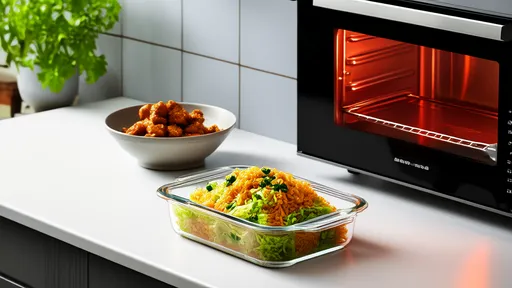
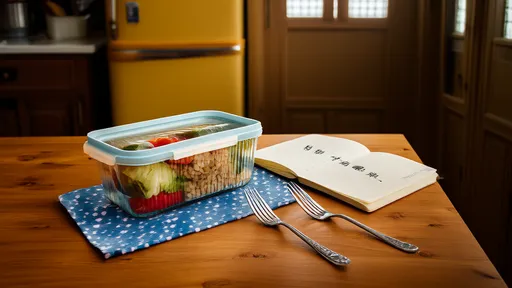
Smart storage tools can revolutionize your approach. While not essential, certain products dramatically reduce cross-contamination risks. Lidded glass containers with locking mechanisms create airtight seals that plastic wrap can’t match, while also being nonporous and easy to sanitize. Compartmentalized produce savers with adjustable vents extend the life of fruits and vegetables by mimicking commercial grocery display systems. For meat storage, consider dedicated cutting boards with juice grooves and non-slip edges that fit directly into refrigerator shelves, eliminating transfer steps where spills often occur. These investments pay for themselves in reduced food waste and medical bills.
Cultural food preservation traditions offer unexpected insights. Before modern refrigeration, societies developed ingenious methods to prevent cross-contamination that still hold value today. In Korean kimchi refrigeration, fermentation occurs in separate, sealed containers placed on dedicated shelves to prevent spicy odors from permeating other foods—a practice applicable to storing strong-smelling cheeses or durian. Mediterranean households often store olives and feta in brine-filled containers on the bottom shelf, creating a natural barrier against airborne bacteria. While we don’t rely on these methods for primary preservation anymore, their underlying principles inform smart storage choices.
The psychology behind refrigerator habits reveals why cross-contamination persists. Studies show that people subconsciously organize refrigerators based on convenience rather than safety, placing frequently used items at eye level regardless of their contamination risk. This "first seen, first grabbed" mentality explains why dangerous pairings like raw chicken above salad greens are so common. Breaking these automatic patterns requires conscious effort for about three weeks until new habits form. Try rearranging your fridge when you’re not hungry or rushed—decision fatigue and hunger both lead to poor food safety choices.
Children’s snacks present unique challenges in contamination prevention. Lunchbox items like yogurt tubes and cheese sticks often get shoved wherever space allows, sometimes ending up next to raw meat packaging. Designate a specific drawer or upper shelf area for ready-to-eat kids’ foods, preferably in colorful containers that visually signal their safe status. This not only prevents contamination but empowers older children to access snacks without rummaging through dangerous zones. For baby bottles and expressed milk, strict isolation from all raw products is crucial—consider a dedicated mini-fridge if regular fridge space is limited.
Power outages require special contamination considerations. When the electricity fails, the clock starts ticking on your fridge’s ability to maintain safe temperatures. Resist the urge to constantly check food—every opening releases cold air. Instead, place several ice cubes in a sealed bag in the freezer; if they melt into a solid block, you’ll know temperatures rose dangerously high. Most perishables remain safe for about four hours in an unopened fridge, but when in doubt, throw it out—especially for infant formula, seafood, and cooked leftovers. Some insurers now cover food spoilage during extended outages, so document losses photographically for potential claims.
Pet food storage often gets overlooked in contamination discussions. Raw pet food carries the same pathogens as human-grade raw meat and requires identical precautions—store on the bottom shelf in leak-proof containers, separate from human food. Even kibble needs protection; its high fat content makes it prone to rancidity when exposed to fridge moisture or temperature swings. Designate a sealed bin in the refrigerator (not the door) for open cans of wet food, and always wash hands after handling pet food before touching human food or surfaces.
Ultimately, preventing refrigerator cross-contamination isn’t about memorizing rules—it’s about developing a mindful approach to food storage. Like any habit, consistent practice transforms these precautions into second nature. Start with the highest-risk areas (meat storage and temperature control), then gradually incorporate other strategies. Your reward extends beyond safety; properly stored food tastes better, lasts longer, and retains more nutrients. In a world where food recalls and antibiotic-resistant bacteria make headlines, taking control of your refrigerator’s ecosystem is one of the simplest yet most impactful health decisions you can make.

By /Aug 19, 2025

By /Aug 19, 2025

By /Aug 19, 2025

By /Aug 19, 2025
By /Aug 19, 2025

By /Aug 19, 2025
By /Aug 19, 2025
By /Aug 19, 2025
By /Aug 19, 2025

By /Aug 19, 2025
By /Aug 19, 2025

By /Aug 19, 2025

By /Aug 19, 2025

By /Aug 19, 2025

By /Aug 19, 2025

By /Aug 19, 2025

By /Aug 19, 2025

By /Aug 19, 2025

By /Aug 19, 2025
By /Aug 19, 2025
