For decades, the idea that spicy food harms the stomach has been widely accepted. Many people avoid chili peppers, hot sauces, and fiery dishes out of fear that they might damage their digestive system or cause ulcers. But what if this common belief is more myth than fact? Recent research suggests that spicy food, when consumed in moderation, may actually offer surprising benefits for gut health and overall well-being.
The Myth of Spicy Food and Stomach Damage
The notion that spicy food is bad for the stomach likely stems from its immediate effects—burning sensations, sweating, or temporary discomfort. These reactions, though intense, don’t necessarily indicate long-term harm. In fact, capsaicin, the compound responsible for the heat in chili peppers, has been studied extensively for its potential health benefits. While overconsumption can cause irritation, moderate intake doesn’t appear to damage a healthy stomach lining. For those with pre-existing conditions like gastritis, caution is advised, but for most people, spicy food is far from the villain it’s often made out to be.
A Natural Defense Mechanism
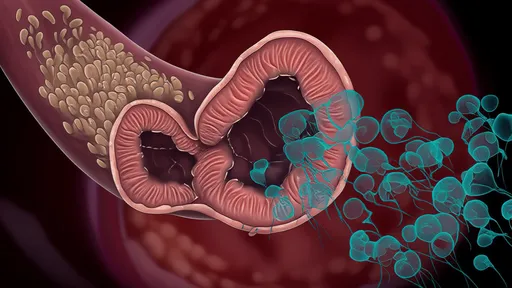
One of the most intriguing discoveries about capsaicin is its role in stimulating gastric mucus production. This mucus acts as a protective barrier, shielding the stomach lining from acidic digestive juices. Far from causing harm, moderate spice consumption might actually fortify the stomach’s natural defenses. Some studies even suggest that populations with traditionally spicy diets, such as those in Mexico or Thailand, don’t exhibit higher rates of stomach ulcers compared to cultures with milder cuisines. This challenges the long-held assumption that spice and stomach health are at odds.
Unexpected Benefits Beyond Digestion
The advantages of spicy foods extend well beyond the gut. Capsaicin has been linked to improved metabolism, potentially aiding weight management by increasing fat oxidation and reducing appetite. It also possesses anti-inflammatory properties, which could explain why some people report relief from joint pain after incorporating spicy foods into their diets. Additionally, the endorphin rush triggered by capsaicin—the same biochemical response that creates a "runner’s high"—may contribute to mood enhancement and stress reduction. These wide-ranging effects position spicy food as more than just a flavor enhancer but as a potential ally for holistic health.
The Cultural Context of Spice Consumption
Globally, regions with hotter climates tend to have spicier cuisines—a phenomenon that may have evolved for practical reasons. Spices like chili peppers have antimicrobial properties that help preserve food in warm environments where refrigeration was historically unavailable. This cultural adaptation hints at a deeper relationship between spicy foods and human health, one that goes beyond mere taste preferences. In many traditional medicine systems, from Ayurveda to Traditional Chinese Medicine, spicy ingredients are used therapeutically to stimulate digestion and improve circulation.
Finding Your Spice Tolerance
While the benefits are compelling, it’s important to approach spicy food sensibly. Tolerance levels vary greatly among individuals, influenced by genetics and habitual exposure. Starting with milder spices and gradually increasing heat allows the body to adapt. Paying attention to personal reactions is key—what works for one person might be uncomfortable for another. The goal isn’t to endure unbearable heat but to find a level that’s enjoyable and sustainable. For those new to spicy foods, incorporating them slowly into meals can help build tolerance while minimizing potential discomfort.
Debunking the Ulcer Misconception
Perhaps the most persistent myth about spicy food is its alleged connection to peptic ulcers. Medical science now understands that the majority of ulcers are caused by Helicobacter pylori bacteria or prolonged use of NSAID pain relievers—not by dietary choices. While extremely spicy foods might irritate an existing ulcer, they don’t appear to cause them in healthy individuals. This revelation should reassure spice lovers that their favorite fiery dishes aren’t putting them at risk for this painful condition, provided they consume them in reasonable amounts.
The Future of Spice Research
As scientific interest in the health effects of spicy foods grows, new potential benefits continue to emerge. Preliminary studies are exploring capsaicin’s role in cancer prevention, cardiovascular health, and even longevity. While more research is needed to fully understand these connections, the current evidence suggests that moderate spice consumption could be a simple, flavorful way to support overall health. As with many aspects of nutrition, balance and individual tolerance remain the guiding principles for incorporating spicy foods into a healthy lifestyle.

By /Aug 19, 2025

By /Aug 19, 2025
By /Aug 19, 2025

By /Aug 19, 2025

By /Aug 19, 2025

By /Aug 19, 2025

By /Aug 19, 2025

By /Aug 19, 2025

By /Aug 19, 2025

By /Aug 19, 2025

By /Aug 19, 2025

By /Aug 19, 2025

By /Aug 19, 2025

By /Aug 19, 2025

By /Aug 19, 2025

By /Aug 19, 2025

By /Aug 19, 2025

By /Aug 19, 2025

By /Aug 19, 2025

By /Aug 19, 2025
